 Healers World











































 ನವೀಕರಿಸಲಾಗಿದೆ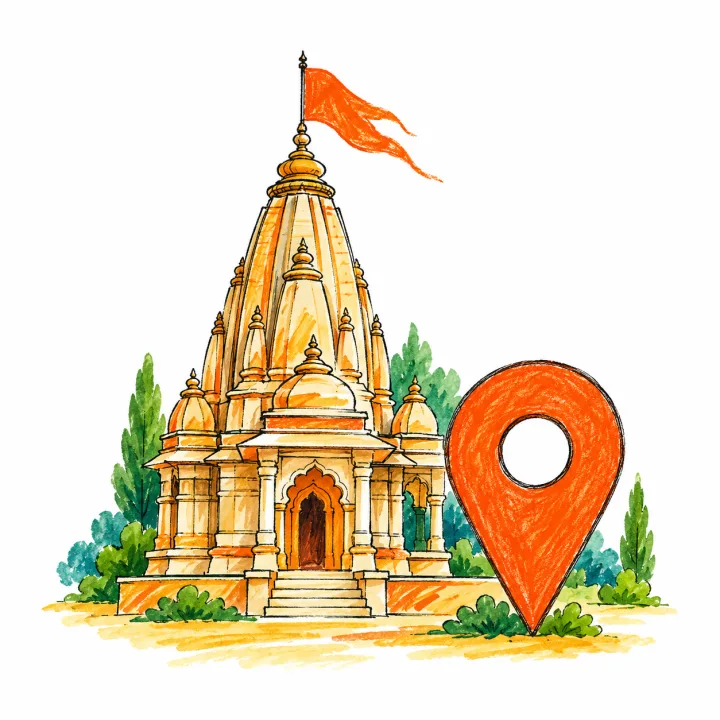
 ತ್ವರಿತ ಉತ್ತರ
ಜಮ್ಮುವಿನ ತ್ರಿಕೂಟ ಪರ್ವತಗಳ ಹೃದಯದಲ್ಲಿ ಕೆತ್ತಿರುವ ವೈಷ್ಣೋದೇವಿಯ ಮೂರು ಪವಿತ್ರ ಪಿಂಡಿಗಳು ಎಲ್ಲಾ ಋತುಗಳಲ್ಲೂ ಲಕ್ಷಾಂತರ ಭಕ್ತರನ್ನು ಕಲ್ಲಿನ ಪರ್ವತಪಥಗಳಲ್ಲಿ ಕರೆಯುತ್ತಿವೆ — ಏಕೆಂದರೆ ತಾನು ಸ್ವತಃ ಆಹ್ವಾನಿಸದವರಿಗೆ ದೇವಿ ದರ್ಶನ ನೀಡುವುದಿಲ್ಲ ಎಂಬ ನಂಬಿಕೆ ಇದೆ.
- ವಿಷಯ
- ಗ್ರಂಥಾಲಯ ಕಥೆ
- ಓದುವ ಸಮಯ
- 7 ನಿಮಿಷಗಳು
- ಬರೆದವರು
- ಗುರೂಜಿ
- ಕೊನೆಗೆ ನವೀಕರಿಸಲಾಗಿದೆ
- 12 August 2026
The Invitation That Cannot Be Refused
Pilgrims returning from Vaishno Devi will almost invariably tell you the same thing: the goddess called them. Not metaphorically but concretely — in a dream, in a sudden overwhelming urge that could not be explained or resisted, in a resolve that arrived fully formed without apparent provocation. The belief that Mata Vaishno Devi herself selects who may come to her for darshan — that she issues an inner summons that precedes every successful pilgrimage — is not a marginal folk superstition but a central tenet of devotion at this shrine. Those who have tried to come without this inner calling describe inexplicable obstacles: illness at the last moment, missed trains, sudden family emergencies. Those who have received the calling describe an irresistible magnetic pull toward the mountains of Jammu, a pull that becomes stronger the closer they get to the shrine. The trek itself, approximately 14 kilometres from the base camp at Katra through forests and mountain paths to the cave shrine at an altitude of 5,200 feet, is thus understood not as an effort the devotee makes but as a journey the devotee is conducted through by divine will.
The Mythology — The Virgin Goddess and the Demon Bhairon
The story of Vaishno Devi, as told in local tradition and the Devi Bhagavata Purana, is one of a manifestation of Adi Shakti, the primordial divine feminine, who chose the Trikuta Mountains as her eternal abode. The goddess, born as Vaishnavi into a devout family, from childhood refused all things worldly and devoted herself entirely to Vishnu. She performed severe austerities in the Trikuta hills and was eventually visited by Lord Rama during his of exile. He told her to wait in the mountains until the Kali Yuga, when she would grant liberation to all who sought her there. A sage named Bhairon Nath, however, became obsessively drawn to the young ascetic goddess and relentlessly pursued her. She fled through the mountains, creating sacred sites at each pause — the Banganga, where she washed her arrow; the Charan Paduka, where her footprints are embedded in stone. Finally cornered in a cave, she transformed into her full divine form and beheaded Bhairon. But such was her compassion that even as his head fell, she granted him liberation — and today, the Bhairon Nath temple above the main cave is considered a mandatory stop in the pilgrimage, because Mata herself has asked her devotees to visit him.