

Summary · Quick answer
Red Coral (Moonga) is the gemstone of Mangal (Mars), the warrior planet of courage, energy, and drive. This guide covers exact wearing method, metal, activation rituals, and what to expect from this powerful gem.
This is editorial context. Where no primary citation is shown, treat it as a guide, not as a verified claim, personal prediction or medical advice.
Which Finger and Metal to Wear Red Coral
Red Coral (Moonga or Praval) is the gemstone of Mangal (Mars) and is traditionally worn on the Tarjani (index finger) or Anamika (ring finger) of the right hand. Classical texts including Mani Mala and Garuda Purana primarily recommend the ring finger for Mangal, associating this finger with solar fire and courage — both Martian attributes. The preferred metal is gold (22-karat yellow gold) because gold amplifies Mangal's fiery, pitta-dominant, and expansive energy. However, Panchdhatu (five-metal alloy traditionally composed of gold, silver, copper, zinc, and iron — or variations thereof) is widely prescribed and is the most common setting in practice, as iron and copper within Panchdhatu directly resonate with Martian energy. Red Coral should be a minimum of 5 to 9 Ratti (4.5 to 8 carats) for effective planetary influence. The stone must be deep ox-blood red, without cracks, white spots, or inclusions. Mediterranean or Japanese coral is often cited in classical texts; Italian red coral certified by a gemological laboratory is the current standard. The gem must be set so that its base presses against the skin for energetic conductivity.
This plays out differently in every chart.
See it in yours →Day, Time, Hora, and Nakshatra for Wearing Red Coral
Red Coral must be worn on Mangalavara (Tuesday), the day ruled by Mangal. The Mangal Hora on Tuesday is the optimal window — the first hora of sunrise on Tuesday is the Surya Hora, and the second hora is the Shukra Hora; the Mangal Hora begins at specific intervals calculated from local sunrise. Using a Hora calculator in the Panchang is essential. The waxing fortnight (Shukla Paksha) is preferred, particularly the second, third, or seventh tithi. The nakshatras of Mangal are Mrigashira, Chitra, and Dhanishtha; wearing when the Moon transits these — especially Chitra or Dhanishtha — provides strong activation. Avoid wearing Red Coral when Mangal is retrograde (Vakri Mangal), as the gem may intensify aggression or conflict rather than channeling Mars constructively. Never wear during Mangal Grahan (Mars conjunct Rahu in exact degree), as the energy becomes erratic. The ideal window is a Tuesday in Shukla Paksha, during the Mangal Hora, with the Moon in a Mangal nakshatra and no retrograde influence on the planet.
Which Lagna and Moon Signs Benefit Most from Red Coral
Red Coral is most beneficial for Lagnas and Moon placements where Mangal functions as a Yoga Karaka (most auspicious planet) or a Kendra-Kona lord. Mesha Lagna (Aries ascendant) is the primary beneficiary, as Mangal is the Lagna lord and rules the self, constitution, and vitality. Vrischika Lagna (Scorpio) also gains greatly, as Mangal is the co-Lagna lord and rules the sixth house. The most celebrated case is Karka Lagna (Cancer) and Simha Lagna (Leo) — in both, Mangal becomes the Yoga Karaka by simultaneously ruling a Kendra and a Kona, making Red Coral among the most powerful gems for these Lagnas. Dhanu Lagna (Sagittarius) sees Mangal ruling the fifth and twelfth houses — beneficial in the fifth dimension. Persons in Mangal Mahadasha or Antardasha, regardless of Lagna, are strong candidates when Mangal is well-placed. Athletes, surgeons, military personnel, engineers, and those in demanding physical professions benefit specifically from Red Coral's energy-boosting and courage-enhancing qualities. Blood-related disorders, anemia, and low hemoglobin are also traditionally addressed by Moonga in classical Jyotish.
Keep going
Find this in your free KundliCast your full Vedic birth chart — nakshatras, padas, dashas, yogas — free
Contraindications — Who Should Avoid Red Coral
Red Coral is an intensely hot, pitta-aggravating gem and carries significant contraindications. Vrishabha Lagna (Taurus) individuals must avoid Moonga, as Mangal rules the seventh and twelfth houses — maraka and vyaya — creating risks related to partnerships, health, and foreign losses. Mithuna Lagna (Gemini) faces Mangal as sixth and eleventh lord — wearing can heighten disputes, accidents, and enemies. Tula Lagna (Libra) natives should avoid Red Coral as Mangal rules the second (maraka) and seventh house. Kanya Lagna (Virgo) must exercise great caution as Mangal rules the third and eighth — dusthana positions that amplify obstacles and sudden events. Persons with hypertension, peptic ulcer, chronic inflammation, skin conditions, or a fiery temperament prone to anger and impulsivity should avoid Red Coral unless guided by both a Jyotishi and a physician. Red Coral must never be worn simultaneously with Emerald (Budha is inimical to Mangal) or Diamond (Shukra-Mangal combination requires careful chart analysis). Adverse signs include sudden anger surges, increased aggression, accident proneness, or bleeding gum issues in the first week — remove immediately if these appear.
Activation Puja, Mantra, and First 40-Day Expectations
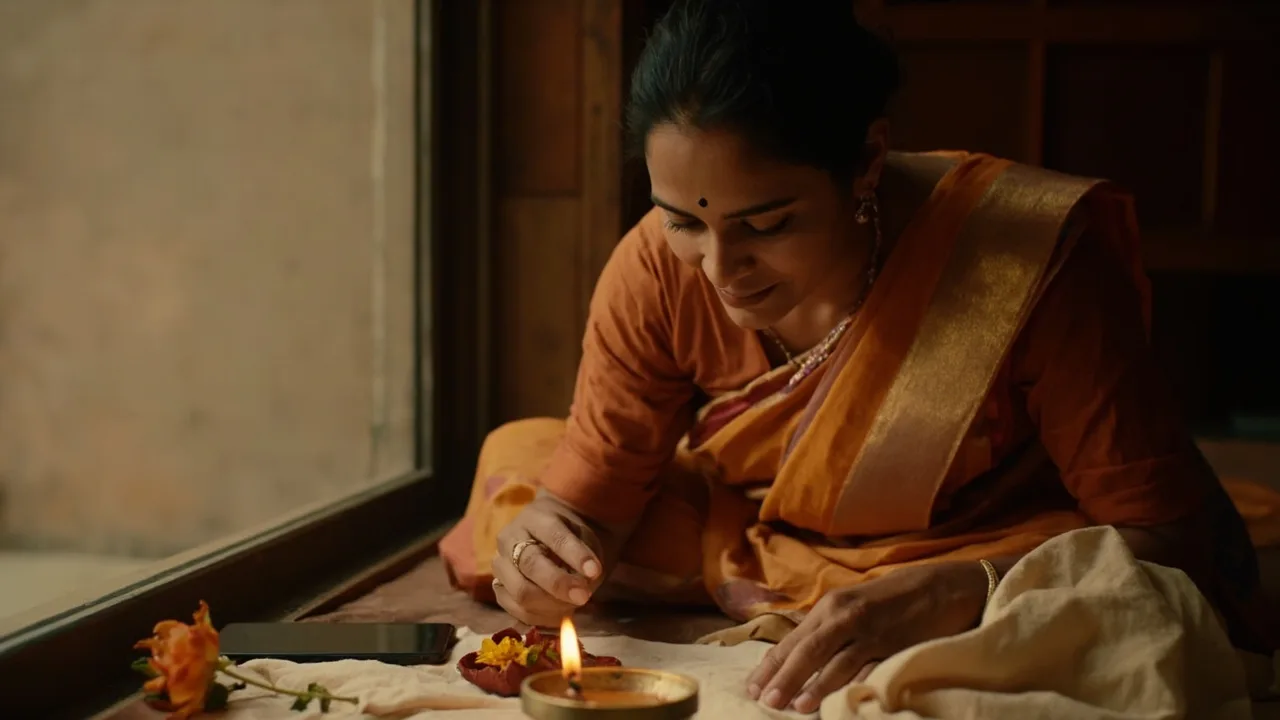
On a Tuesday morning during Shukla Paksha, immerse the Red Coral ring in a mixture of Gangajal, raw honey, and turmeric water for 20 to 30 minutes to cleanse it. Place it before a Mangal yantra or the image of Mangal (depicted in red garments, riding a ram) and light a ghee diya and red sandalwood or saffron incense. Chant the Mangal Beej Mantra — 'Om Kraam Kreem Kraum Sah Bhaumaya Namah' — 108 times using a red Coral or Rudraksha mala. Then slide the ring onto the ring finger of the right hand while facing south (Mangal's direction), during the Mangal Hora. In the first seven days, an initial surge of energy, heightened assertiveness, and physical restlessness is common — this is Mangal's energy activating through the body. By day 14 to 21, increased stamina, courage in decision-making, and reduction of blood-related complaints are typically reported. The 40-day cycle often marks turning points in career advancement, competitive victories, and resolution of longstanding property or sibling disputes (third house significations). Offer red flowers (hibiscus) to a Hanuman or Mangal idol every Tuesday and recite the Mangal Stotram or Hanuman Chalisa to sustain the activation.