Articles
Festival explainers, ritual guides, the stories behind the great temples, and clear-eyed corrections of what gets oversold. Written to be trusted — we attribute traditions to their living homes, and we never invent a verse to win an argument.
8 articles
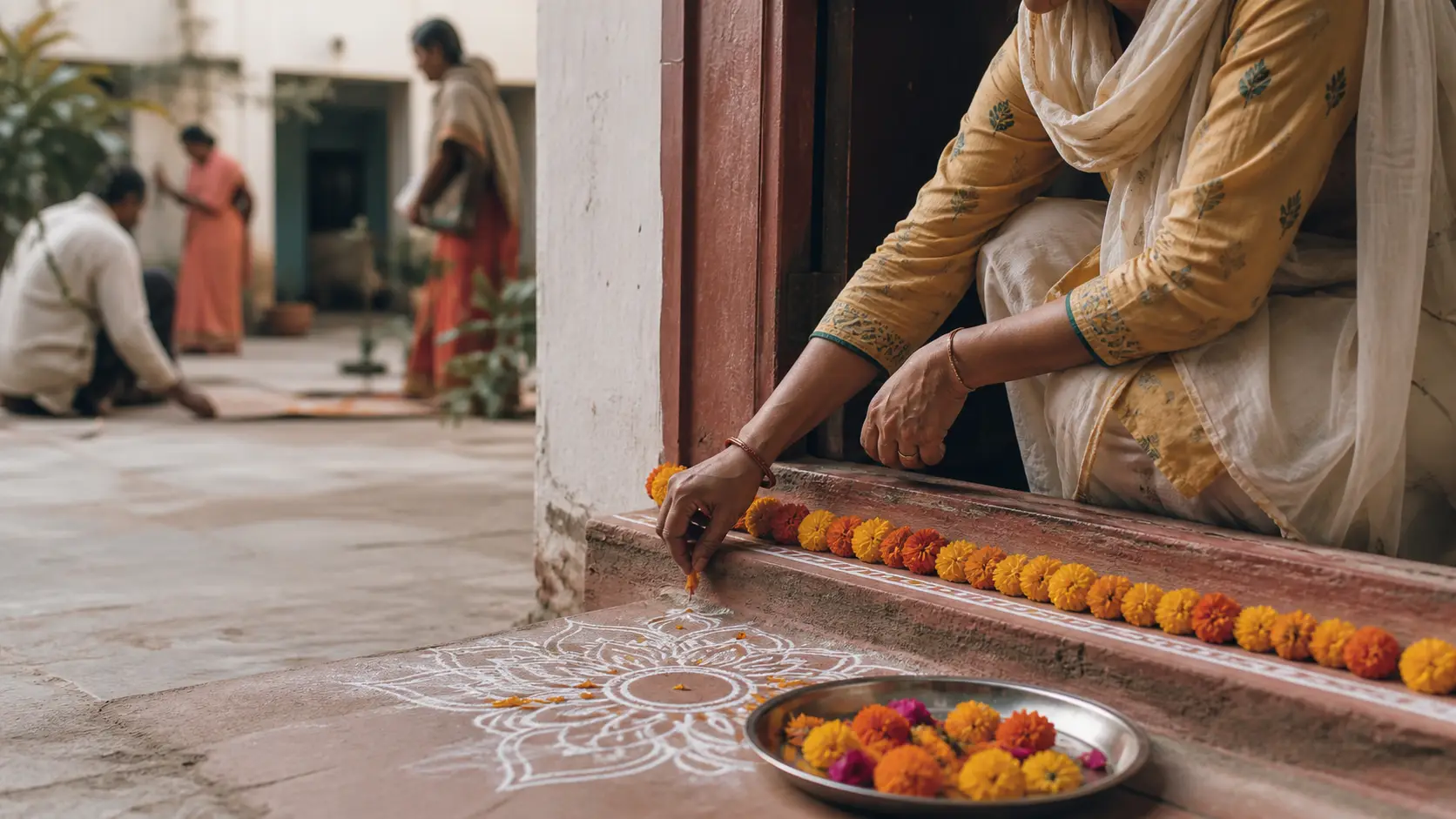
FestivalOne festival, many homecomings. Why the same five nights mean Rama's return in the north, Lakshmi's arrival in the west, and Krishna's victory in the south — and why all of them are true.
Healers World Studio · 7 min read
Myth vs RealityRahu and Ketu are not planets. The Sun is not malefic by nature. A clear-eyed look at what the nine grahas of Vedic astrology actually are — and the claims that get oversold.
Guruji · 8 min read
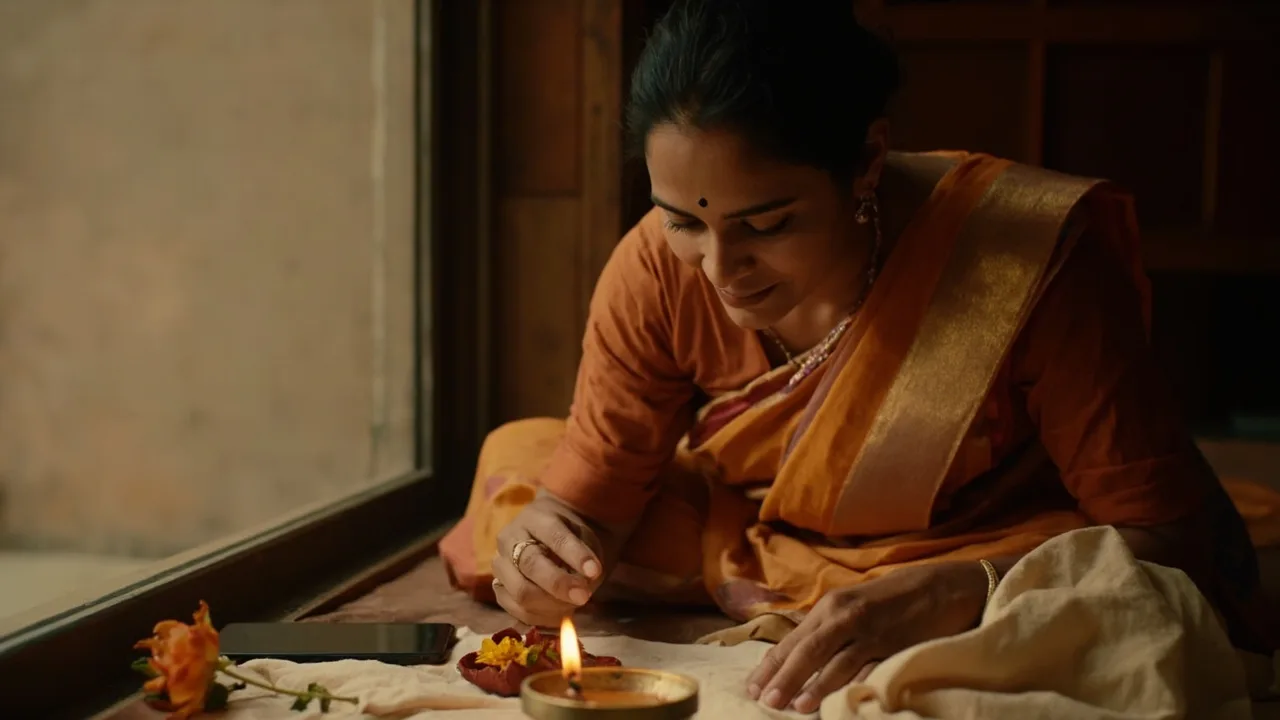
Ritual GuideBefore any grand puja there is the lamp. What the oil, the wick and the flame are doing — practically, symbolically, and in the order a tradition would actually light them.
Guruji · 6 min read
Temple StoryWhy the deity of Puri has no hands, why the idols are rebuilt from neem wood every few years, and what the chariots of the Rath Yatra are actually carrying.
Healers World Studio · 7 min read
Myth vs RealityThe shadow grahas are sold as the villains of the chart. The classical view is stranger and more useful than the fear that gets marketed in their name.
Guruji · 8 min read
Ritual GuideTithi, nakshatra, yoga, karana, vara — the five limbs of the traditional almanac, and what each one is actually telling you about the day in front of you.
Healers World Studio · 7 min read
Temple StoryVaranasi calls itself older than tradition, older than legend. The story Kashi tells about itself — and what the Manikarnika ghat is really for.
Healers World Studio · 8 min read
Myth vs RealityThe internet's favourite excuse deserves a straight reply. What retrograde motion actually is, what the Vedic tradition says about it, and where the popular version goes wrong.
Guruji · 6 min read
How a piece reads
Myth vs Reality · The Navagraha
The most common error, made in good faith, is to translate navagraha as 'nine planets.' The word graha means something closer to 'that which seizes' — a force that takes hold of experience for a time. Of the nine, only five are planets in the modern sense; the Sun is a star, the Moon a satellite, and Rahu and Ketu are not bodies at all…
READ THE FULL PIECE →
What sets it apart
Listicles that flatten a festival into one 'real' meaning.
Pieces that hold a tradition's many homecomings as all true.
Confident claims with citations no one can find.
Attribution to the actual texts — and honesty where we can't verify.
Fear-marketing dressed up as astrology.
Clear-eyed myth-vs-reality that calms instead of sells.
How we write
Before a word is written, the claim is checked against the primary texts and the living ritual tradition — never against a search-engine summary.
Where a popular belief isn't in the books, we say so. We'd rather print 'this is contested' than flatten it into false certainty.
Plain language, attributed to its home, with the honest gaps left visible. The goal is a piece you could hand to a scholar without wincing.
The editorial standard
Every claim traces to verse, chapter and translator from the texts astrologers actually train from — no blog summaries, no invented citations.
We separate living tradition from internet folklore, and say plainly when something popular simply isn't in the books.
Festivals and temples are attributed to their living homes and communities — written with the care a tradition deserves.
Finally, writing on Hindu tradition that doesn't either mock it or oversell it. The Navagraha piece is the clearest I've read.
I sent the Rahu-Ketu article to my whole family group. It quietly dismantled years of fear-based forwards.
The honesty is the draw. When they don't know, they say so — which is exactly why I trust the rest.
Questions
Every claim is traced to its primary source — the Puranas, the Dharmaśāstra tradition, temple sthala-purana lore, or regional almanac practice. Where we can't verify a chapter-and-verse, we attribute to the tradition and say so plainly rather than inventing a citation.
No. We attribute traditions to their living homes and let regional differences stand side by side — the north's homecoming and the south's victory are both treated as true, not competing.
Yes, and we love it. The best reader questions become the next article — send them through the contact page.
That's the plan. The platform generates natively in ten Indian languages, and the editorial set is being translated with the same care — never a careless machine pass.
Want a topic covered? The best reader questions become the next article. Tell us through the contact page — or start reading now.