
Summary · Quick answer
Within Ketu's 7-year Mahadasha, the Venus Antardasha awakens artistic genius and spiritual beauty — the most creatively luminous Bhukti of this Dasha.
This is editorial context. Where no primary citation is shown, treat it as a guide, not as a verified claim, personal prediction or medical advice.
Venus Antardasha Within the Ketu Mahadasha: Foundational Principles
Within the 7-year Ketu Mahadasha, the Venus sub-period is classically the most materially and creatively productive Bhukti in the entire Dasha sequence. Spanning approximately 1 year and 2 months, this Antardasha brings Shukra's aesthetic grace into the dissolving, otherworldly field that Ketu generates throughout its Mahadasha. Ketu, the South Node of the Moon, is a Graha of moksha-orientation, past-life Karma, and the gradual withdrawal of attachment to conventional Rashi-bound desires. Shukra, as the Karaka of beauty, creativity, relationship, and material refinement, appears to operate in direct tension with Ketu's detachment impulse. Yet Jyotisha tradition consistently recognizes this Antardasha as the period when the most refined artistic output of the native's life emerges. The dissolution Ketu enforces paradoxically strips away the ego-grasping that normally blocks genuine creative expression. The result is art, music, poetry, and beauty that carry an ethereal quality — work that is aesthetically powerful precisely because it is not produced from ambition but from genuine inner clarity. Financial improvement is also a common signature. Lagna, Bhava placements of Shukra, and the natal Yoga involving these two Grahas all determine the specific expression, but the general elevation of aesthetic and relational life during this Bhukti is consistent across the Jyotisha tradition.
This plays out differently in every chart.
See it in yours →Creative and Relationship Domain Effects During This Antardasha Period
When Shukra activates within Ketu Mahadasha, creative gifts bloom with an unexpected and unforced quality that distinguishes this Bhukti from Venus periods in other Dashas. Music, visual art, poetry, and dance are particularly highlighted because these domains carry both sensory beauty and the transcendent quality that Ketu's field encourages. Native practitioners who had not previously expressed themselves artistically often discover latent Shukra Yoga manifesting during this period. Love relationships formed in this Antardasha carry a quality of spiritual beauty rarely found in ordinary Karma-driven partnerships. These connections often transcend conventional definitions — they may not become formal marriages or partnerships in the worldly sense, yet they leave a lasting imprint on the soul. This is precisely because Ketu's dissolution of conventional attachment structures allows Shukra's deeper relational gifts to operate without the usual Bhava-based expectations around security and possession. Financial improvement follows from creative work rather than from strategic commercial pursuit. The native who allows their Shukra gifts to emerge naturally during this Bhukti often finds unexpected material reward arriving in consequence. Relationship harmony improves even in existing partnerships because the Ketu field reduces the ego-possessiveness that normally contracts Venus energy. Dharma and beauty become aligned in a way that characterizes the finest expression of this powerful Antardasha within the Ketu Mahadasha sequence.
The Spiritual-Material Paradox Defining Ketu-Venus Antardasha Experience
This Antardasha within Ketu's spiritually oriented Mahadasha creates the central paradox that Jyotisha identifies as its defining characteristic: the native is simultaneously progressing in spiritual understanding and enjoying material and aesthetic pleasures with unusual depth and authenticity. In most Dasha sequences, spiritual advancement and material enjoyment exist in tension with one another. Within Ketu Mahadasha, this tension is not resolved but transcended. The native discovers through direct experience that the refined pleasures Shukra governs — beauty, creative expression, loving relationship, aesthetic refinement — are not obstacles to Dharma and spiritual progress but can become vehicles for it. This insight is the gift that distinguishes the Ketu-Shukra Antardasha from other Venus periods. The critical practical guidance in Jyotisha is to allow both dimensions simultaneously rather than forcing a resolution. Attempting to suppress Shukra enjoyment in the name of Ketu spirituality produces frustration and spiritual arrogance. Attempting to convert Ketu's Mahadasha into an ordinary pleasure-seeking period produces dissatisfaction because the deeper dissolution work Ketu requires will not be denied. The native who allows creative beauty to be a form of spiritual practice — who approaches art, love, and aesthetic refinement as expressions of the divine rather than as escapes from it — lives this Antardasha at its highest Yoga. This is the Karma of Ketu-Venus: learning that beauty and transcendence are, in their finest expression, one.
Keep going
Find your current dashaYour active Mahadasha, Antardasha, and Pratyantardasha computed live
When This Antardasha Produces Maximum Results Based on Graha Strength
The Ketu-Venus Antardasha expresses at full Yoga potential when Shukra occupies positions of strength in the natal Rashi chart. Venus in its own signs of Taurus or Libra, or in its exaltation sign of Pisces, brings both material and spiritual Shukra gifts to maximum expression. Placement in the 4th Bhava connects Shukra to domestic happiness, creative sanctuaries, and mother-energy; in the 7th Bhava, partnerships of great beauty and meaning are formed; in the 11th Bhava, artistic work generates significant financial gain and social recognition. Natural benefic Nakshatra placements — Bharani, Purva Phalguni, and Purva Ashadha, the three Nakshatras governed by Shukra — further intensify the creative output of this period. Venus in Virgo, its debilitation Rashi, reduces the smoothness of the Antardasha and can produce creative self-doubt, relationship complications, or difficulty accepting the pleasures that Shukra offers. Venus conjunct Saturn introduces discipline but also delay; the creative gifts are still present but require more sustained effort to manifest. Ketu conjoined with Venus in the natal Rashi chart creates a particularly significant Yoga for this Antardasha, as the period activates a natal conjunction that carries strong karmic implications. The Lagna itself modifies the entire Bhukti: Taurus and Libra Lagna natives, for whom Venus rules the Lagna, experience this as among the most personally significant and productive Bhuktis of the Ketu Mahadasha.
Remedies and Optimal Approach for Navigating This Creative Antardasha
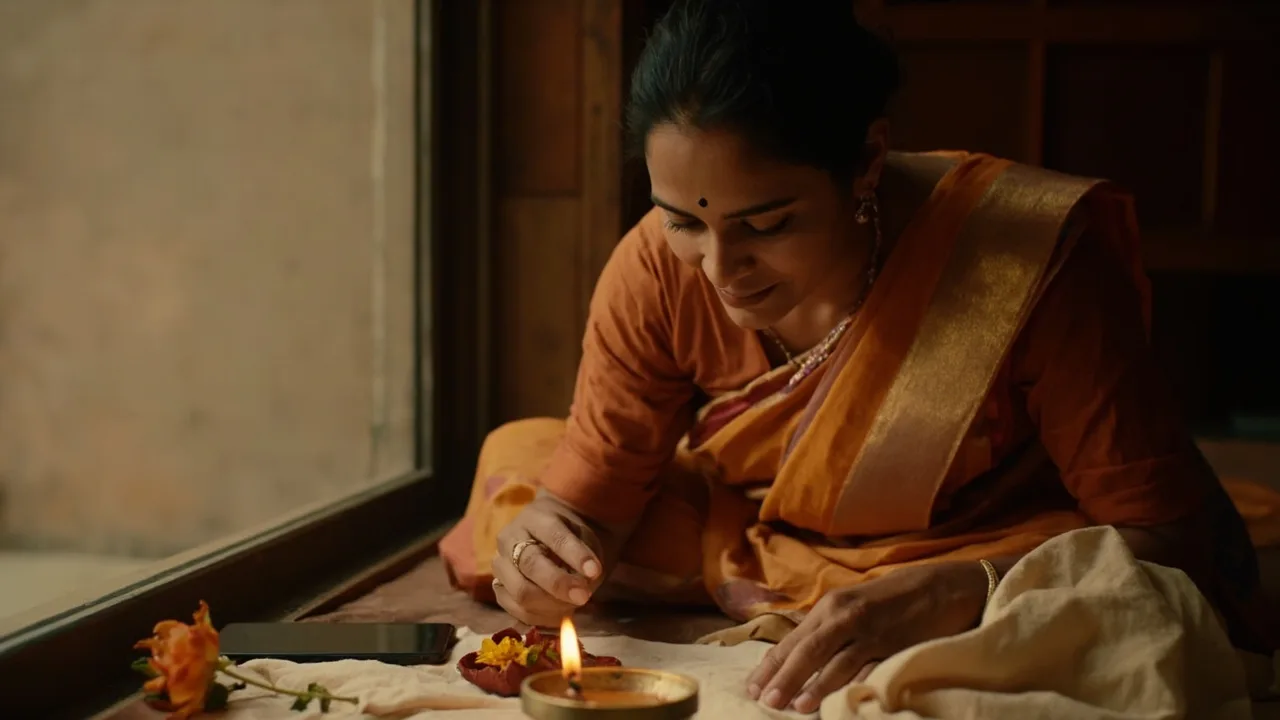
Navigating the Ketu-Venus Antardasha with maximum benefit requires a deliberate approach that honors both Grahas simultaneously. Shukra Friday puja — performed with white flowers, sandal paste, and offerings that honor beauty and abundance — maintains Shukra's beneficial influence throughout the Bhukti. Lakshmi worship, particularly the recitation of Shri Sukta from the Rig Veda, invokes the goddess whose domain Shukra governs and whose blessings flow most naturally during this period. Because Ketu remains the Mahadasha lord throughout, practices that honor Ketu's moksha-orientation run alongside Shukra's aesthetic disciplines. Ganesh worship addresses Ketu's demand for wisdom and the removal of karmic obstacles. Navagraha Puja honoring both Grahas in a unified ceremony is particularly effective. The most important practical guidance for this Antardasha is to approach creative practice as a spiritual discipline rather than merely a career strategy. Art, music, writing, or any Shukra-governed creative pursuit undertaken as genuine Sadhana — with consistency, humility, and dedication — activates the highest Yoga this Bhukti contains. The native must also consciously resist the impulse to make every creative gift conform to worldly expectations of commercial success or conventional partnership. Ketu's field rewards trust in the Dharmic unfolding of Shukra gifts more than it rewards calculated strategy. This is the single most important navigation principle for the Ketu Mahadasha Venus Antardasha.