 Healers World








































 Updated
 quick answer
Perform Pitru Paksha Shraddha vidhi to honor ancestors, perform tarpan and pind daan, and free their souls from karmic cycles.
- Topic
- Ritual Guide
- Reading time
- 11 minutes
- Written by
- Healers World Studio
- Last updated
- 12 August 2026
Purpose and Spiritual Significance
Pitru Paksha Shraddha is a sacred 16-day period (typically September-October) when Hindu families honor their deceased ancestors through ritualistic offerings (Shraddha) and prayers, believing that ancestral souls remain connected to living descendants and require spiritual sustenance and reverence. According to Hindu philosophy, death is not the end but a transition to another plane of existence; ancestors in the spiritual realm benefit from the prayers, mantras, and food offerings of their living descendants. Performing Shraddha rituals demonstrates gratitude for the sacrifices made by ancestors, ensures their peace in the afterlife, removes any negative impressions or unfulfilled desires binding them to the material realm, and invokes their blessings upon the family. The rituals are performed during Pitru Paksha (fortnight of ancestors), believed to be a time when the veil between material and spiritual worlds is thin, making offerings especially potent. Hindu tradition holds that neglecting ancestral rituals can result in ancestral curses or dissatisfaction manifesting as family problems, while sincere Shraddha brings ancestral blessings of protection, prosperity, and spiritual progress. The practice honors dharma (duty) toward those who came before us.
Materials Needed and Preparation
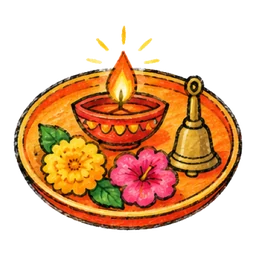
Essential materials for Pitru Paksha Shraddha: white or light-colored flowers (jasmine, white roses, lotus if available), water vessel (preferably copper or brass), sesame seeds (til), barley (jau), rice, lentils, ghee, milk, honey, jaggery (gur), salt, vegetables (pumpkin, bottle gourd, leafy greens), rice flour, turmeric powder, vermillion (avoid if possible, as it's avoided during Shraddha), sandalwood paste, incense sticks (white or natural), oil lamp, bell, and items for preparing the Shraddha meal (khichdi - rice and lentils, vegetables, rice cakes or bread). Prepare a clean, east or south-facing altar space dedicated to ancestors. Arrange photographs or mental images of deceased family members (father, grandfather, grandmother, parents, and other ancestors). Create a small mound of earth or clay to represent the ancestors collectively, or mark a space on the floor. Prepare the Shraddha food: khichdi cooked in ghee, seasonal vegetables, and rice cakes. Ensure the meal uses white grams and sesame seeds, which are considered especially beneficial for ancestral peace. Arrange fresh white flowers in a vase near the ancestor space. Note the exact death dates (Tithi) of each ancestor during Pitru Paksha.
Step-by-Step Puja Procedure
Begin by lighting the oil lamp with a sincere intention to honor your ancestors. Ring the bell three times to call the ancestral spirits. Bow respectfully before the ancestor photographs or representations. Sprinkle water mixed with sesame seeds and turmeric on the altar area, moving from east to west (the direction associated with ancestors). Offer white flowers at the altar while chanting the names of your ancestors and expressing gratitude for their sacrifices. Pour water (Jal Tarpan) to ancestors: hold water and sesame seeds in the right palm, face north (direction of ancestors), and let the water mixed with sesame seeds flow from your palm to the earth, chanting your ancestor's name three times and saying 'Om Shaanti Om' (peace). Perform this Tarpan for each deceased family member. Present the Shraddha food (khichdi) in a simple leaf plate or brass plate before the ancestor representation. Offer rice cakes (pinds) made from rice flour, ghee, and sesame: place these cake-shaped offerings in front, one for each ancestor, as spiritual sustenance. Light the incense stick and waft the sacred smoke toward the offerings. Ring the bell and recite the Shraddha mantra: Om Imam Pindam Sarvesham Pitrinam Avidhyamanaya Svaha (I offer this rice cake to all my ancestors). Circumambulate the altar once clockwise with folded hands, maintaining meditative focus on ancestral gratitude.
Mantras, Prayers and Offerings
Primary Shraddha mantra: Om Nama Karomi Pitribhyo, Matribhyo, Pitrivyabhyo, Matukulmbhyo, Sarvebhyo Bandhubhyo (I bow and offer to my father, mother, paternal ancestors, maternal ancestors, and all relatives). During water offering (Tarpan): Om Shaanti Shaanti Shaanti (peace, peace, peace) - recite this three times while water flows from your hand. When presenting food offerings: Om Annam Pindah Payah Sharkaraiḥ Tarpita Vriddhim Bhagavate Bhavantaam (let these food offerings and gratitude satisfy the ancestors and grant them peace). While offering rice cakes: Imam Pindam Sarvesham Pitrinam Lokabhavesham Vidhya Manaya Sarvavyapini Akshaya Tritiyayam (I offer this rice cake for the satisfaction and peace of all my ancestors in all worlds). Ancestor gratitude prayer: Amar Pitri Devta Hote Namaskara, Ayushman Bhava Sada Sukhi Raho, Apnader Ashirwad Ame Pabo Sadaa (my ancestors are my gods, I bow to them, may they always be at peace and bless me forever). Closing mantra: Pitri Yagna Samapnnapte Shraddha Vidhim Samapitam (the ancestral ritual is complete, blessings are invoked).
Post-Puja Prasad, Timing and Restrictions
After the ritual, consume the Shraddha food (khichdi and rice cakes) as sacred prasad, believing it carries ancestral blessings. Distribute the blessed food to Brahmins or poor individuals if possible, as this sacred offering is believed to reach the ancestors more effectively. If you have performed Shraddha for a deceased family member, the ritual creates a spiritual connection that benefits both the living and the departed. Maintain strict vegetarian diet during Pitru Paksha (16-day period); avoid meat, fish, eggs, and all non-vegetarian foods, as these disturb ancestral peace. Avoid tamasic (heavy, processed) foods; consume sattvic (pure, simple) foods like fruits, vegetables, milk, and grains. Maintain complete mental and physical purity; avoid negative thoughts, anger, and impure actions. Do not consume onion, garlic, or spices during Pitru Paksha; use only salt and limited spices. Perform Shraddha on the Tithi (lunar day) matching your ancestor's death date, or on the first day of Pitru Paksha if the exact date is unknown. Ideally perform the ritual during daylight hours, preferably around noon when the sun is strongest. The 16-day Pitru Paksha period typically occurs in September-October (precise dates vary yearly based on lunar calendar). Avoid inauspicious activities like haircuts, new ventures, or celebrations during this period. The ritual honors one's karmic debt to ancestors and is considered a sacred duty in Hindu tradition.
 Ritual Guide