Summary · Quick answer
Before any grand puja there is the lamp. What the oil, the wick and the flame are doing — practically, symbolically, and in the order a tradition would actually light them.
This is editorial context. Where no primary citation is shown, treat it as a guide, not as a verified claim, personal prediction or medical advice.
The flame is the first guest
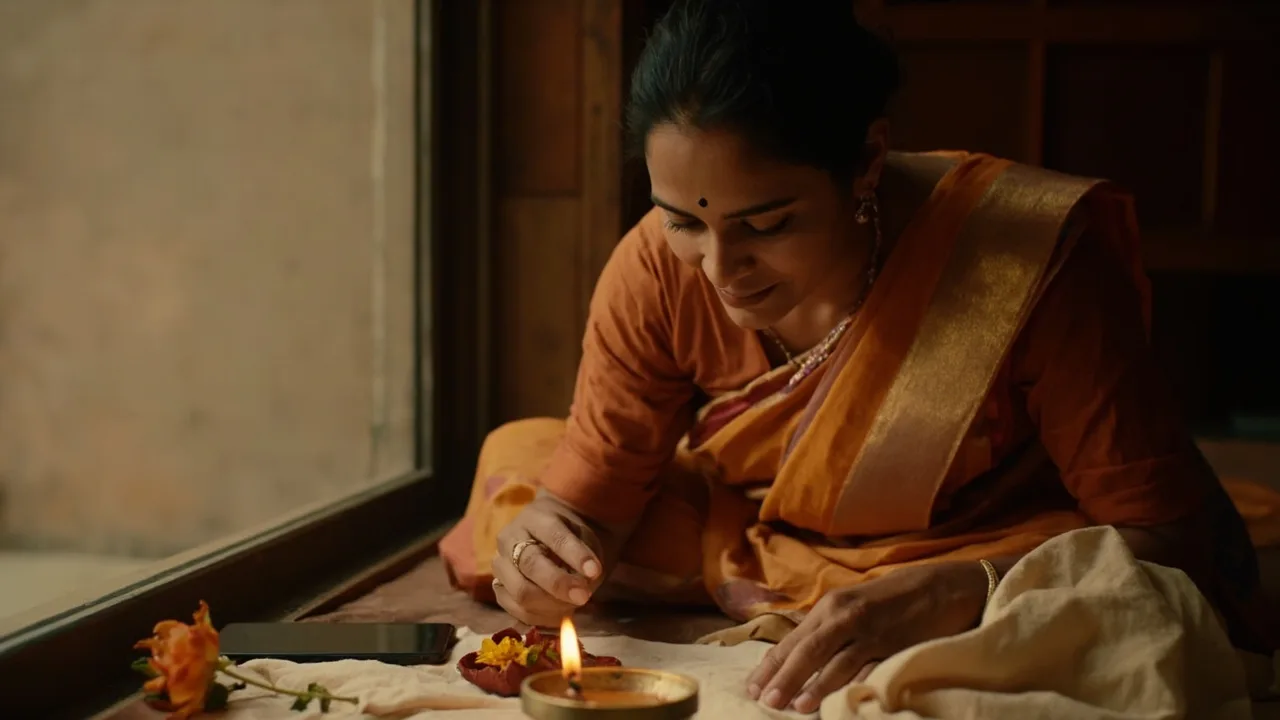
In almost every domestic Hindu rite, the lamp is lit before anything else is offered. This is not decoration. Agni, fire, is the oldest and most direct of the ritual presences — in the Vedic tradition the messenger who carries an offering from the visible world to the invisible. To light the diya first is to open a channel. Everything that follows — flowers, water, food, sound — is offered into a space the flame has already made sacred. The order matters, and it is worth keeping even in the simplest home observance.
This plays out differently in every chart.
See it in yours →Why oil and a cotton wick
The traditional lamp burns ghee or a vegetable oil, usually sesame or mustard, drawn up through a hand-rolled cotton wick. The choice is not arbitrary. A steady, slow, smokeless flame is the aim, because the lamp is meant to last the length of the prayer without attention. Ghee is favoured for its clean burn and its associations with purity and nourishment; sesame oil is common in rites connected with Saturn and the ancestors. The wick is twisted by hand from raw cotton so that no manufactured thread sits in the offering. None of this is superstition; it is the practical craft of keeping a small flame alive and clean.
What the flame is said to do
Symbolically the diya is read on several levels at once. The flame always points upward regardless of how the lamp is turned — a standing image of the soul's natural orientation toward what is higher. The light dispels darkness, the perennial metaphor for knowledge dispelling ignorance. And the lamp consumes its own fuel to give light, an image of the self offered in service. A tradition does not ask you to choose among these meanings. The single act holds all of them, which is why so spare a ritual has lasted so long.
Lighting one well
If you keep only one practice, keep this one. Place the lamp on a clean surface, ideally facing east or north. Light it with a single match or from an existing flame rather than blowing an earlier one out. Let it burn down rather than extinguishing it sharply — many households fan it out or let it complete itself. And light it at the thresholds of the day, dawn and dusk, the hinge hours the tradition calls sandhya. A single honest diya, lit attentively, is worth more than an elaborate rite performed in a hurry.