 Healers World











































 Updated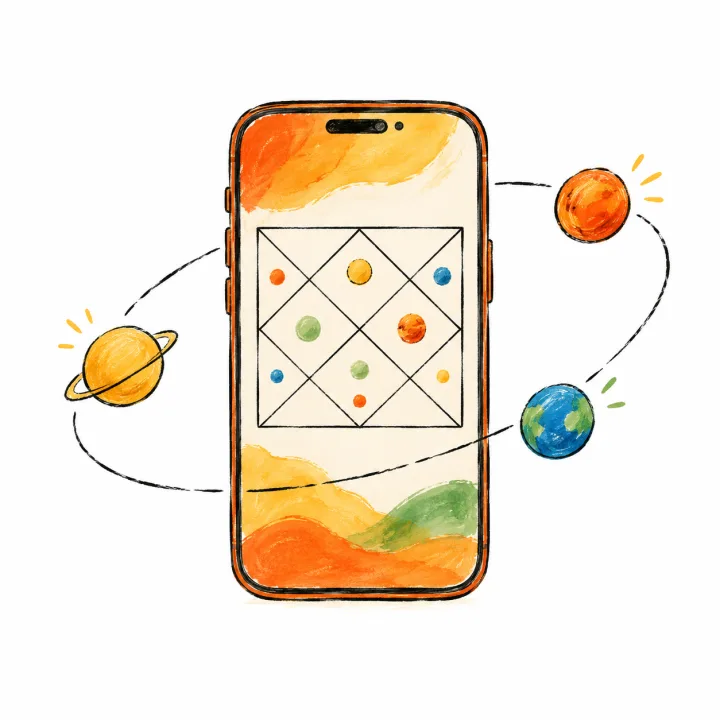
 quick answer
Enter the pure realm of Purva Phalguni's first pada, where Leo repeats itself in the navamsha, creating an intensified solar consciousness dedicated to pleasure, creativity, leisure, and the expression of authentic joy.
- Topic
- Vedic Astrology
- Reading time
- 7 minutes
- Written by
- Healers World Studio
- Last updated
- 12 August 2026
Purva Phalguni Pada 1: The Vargottama Exaltation
Purva Phalguni Pada 1 occupies 13°20' to 16°40' Leo and falls entirely within Leo navamsha, making it a vargottama placement—the same sign appears in both the rashi (main chart) and navamsha (harmonic divisional chart). This pada represents the purest, most concentrated expression of solar consciousness: the desire for pleasure, creative expression, romantic love, and the unabashed enjoyment of life's pleasures without guilt or apology. According to the Brihat Parashara Hora Shastra (Chapter 26), Purva Phalguni is the nakshatra of creative pleasure, ruled by Venus as the presiding deity and falling within the Sun's sign of Leo. The vargottama arrangement creates a doubling of Leo's influence, intensifying the native's solar power, creative capacity, and need for recognition and admiration. The Sun, exalted in Aries, finds its most comfortable secondary home in Leo (its own sign), and when a pada of Leo repeats in the navamsha, the solar consciousness becomes extraordinarily concentrated and powerful. Natives of this pada are meant to shine, to create, to love, and to inspire others through the sheer force of their authentic self-expression. These individuals are often naturally charismatic, attractive, and magnetic; they draw people toward them effortlessly. They understand intuitively that their primary dharma is not to serve others or to improve themselves, but to be fully, unapologetically themselves and to allow their light to inspire others to do the same. The pada's influence creates a consciousness that sees life as an opportunity for self-expression, pleasure, and the creation of beauty and joy.
Creative Power and Authentic Self-Expression
The vargottama arrangement in Purva Phalguni Pada 1 grants extraordinary creative power. The Phaladeepika notes that Venus in its own nakshatra creates the capacity for artistic expression, the creation of beauty, and the magnetism that draws admirers and patrons. In Leo vargottama, this creative power is amplified and becomes a central life theme rather than a peripheral interest. These natives often possess multiple creative talents—music, dance, visual art, writing, performance, or the creation of beauty in whatever medium captures their interest. What distinguishes these natives from other creative individuals is their absolute conviction that their creative self-expression is their primary responsibility to the world. They are not creating to impress others or to achieve conventional success; they are creating because authentic self-expression is their dharma. The Sun's rulership of Leo connects this pada to the expression of the individual's true nature, and many of these natives experience deep frustration or depression when forced to suppress their authentic desires or to conform to conventional expectations. These individuals often make bold choices to pursue creative careers, to live according to their own values, or to express themselves in ways that society might judge as unconventional. The shadow side manifests as narcissism, an excessive need for admiration, a tendency to center all conversations on themselves, or an unwillingness to acknowledge the needs or perspectives of others. Additionally, these natives may face practical challenges because their commitment to authentic self-expression sometimes conflicts with the practical demands of survival or family responsibility. The highest expression of this pada occurs when the native's creative power becomes a gift offered generously to others, and when they understand that their authentic self-expression serves not their ego but the collective awakening of consciousness.
Pleasure, Leisure, and the Sacred Joy of Being
Purva Phalguni Pada 1 is explicitly associated with pleasure and leisure; according to classical texts and the Brihat Parashara Hora Shastra (Chapter 26), this nakshatra governs the enjoyment of life, sensual pleasures, and the experience of joy without purpose or direction. This pada grants natives permission to enjoy life in ways that other placements might feel guilty about. These individuals naturally understand that pleasure is not frivolous or sinful, but a legitimate and necessary aspect of human experience. The Hora Sara (Prithuyasa) notes that Venus-ruled nakshatras create the capacity for finding and creating happiness in simple things—good food, beautiful surroundings, pleasant company, and the freedom to rest and play. Natives of this pada often gravitate toward careers or life arrangements that allow flexibility, leisure, and the freedom to pursue pleasurable activities. Many become entertainers, artists, hospitality professionals, or entrepreneurs whose businesses center on creating pleasant experiences for others. Remarkably, these natives often find that opportunities and resources flow toward them when they are relaxed and enjoying themselves; there is something about their pleasure-centered consciousness that magnetizes abundance. However, the shadow side includes the risk of hedonism, avoidance of responsibility through the pursuit of pleasure, or the development of addictions that promise pleasure but deliver emptiness. These natives must learn that true pleasure comes from integrity and the completion of dharmic duties, not from endless indulgence. The spiritual lesson involves understanding that the capacity to feel joy, to relax, and to experience pleasure is not separate from spirituality but is actually a path to the divine. The highest expression of this pada occurs when the native's love of pleasure becomes an expression of gratitude for existence itself, and when they understand that the capacity to feel joy is a recognition of the fundamental goodness of creation.
Romance, Attraction, and Magnetic Charisma
Purva Phalguni Pada 1 natives are naturally romantic and magnetic; they attract romantic attention effortlessly and often experience multiple romantic entanglements throughout their lives. The Jataka Parijata notes that Venus, as the presiding deity of this nakshatra, rules romantic love, and when a native is born in Venus's own nakshatra in vargottama, their capacity for experiencing and inspiring romantic love is greatly amplified. These individuals are attractive not necessarily because of conventional physical beauty, but because of their presence, confidence, and the authenticity of their self-expression. They are comfortable with their sexuality and their desire for romantic and sensual connection; they do not apologize for their need for love, affection, and physical intimacy. In relationships, these natives often become the pursued rather than the pursuer; they are the ones whom others fall in love with, sometimes against their better judgment. They excel at the early stages of romantic relationships when passion and spontaneity are valued, but may struggle with the commitment, compromise, and daily maintenance that long-term partnership requires. Many natives experience multiple marriages or significant romantic relationships, not from instability, but from the simple fact that their need for authentic self-expression sometimes conflicts with the compromise and negotiation that partnership demands. Their partners often describe them as irresistibly charming but sometimes self-centered or unwilling to prioritize the relationship over personal desires. The highest expression of this pada occurs when the native's romantic and sexual power becomes a vehicle for experiencing the divine through union with another being, and when they learn to channel their charisma into relationships that support mutual growth and authentic love rather than merely ego-gratification. The shadow expression includes serial monogamy, a pattern of leaving relationships when the initial passion fades, or using romantic power to manipulate others.
Career Success Through Self-Expression and Authenticity
Career success comes naturally to Purva Phalguni Pada 1 natives because they typically pursue work that aligns with their authentic interests and abilities. The vargottama arrangement grants them the confidence and power to pursue unconventional career paths or to create their own opportunities rather than fitting themselves into predetermined career tracks. These natives often become entrepreneurs, artists, performers, teachers, counselors, or other professionals whose work centers on self-expression and the creation of beauty or pleasure. They are not particularly driven by the need to climb hierarchies or to accumulate status symbols; they are more motivated by the freedom to do work that feels authentically theirs. Remarkably, when they operate from authenticity and genuine interest, success and recognition flow to them almost effortlessly. The Hora Sara notes that Venus in favorable placements creates the capacity for acquiring wealth and status, and the vargottama arrangement in Leo grants these natives the solar magnetism that attracts opportunities and patrons. However, their tendency to prioritize pleasure and authenticity over practical concerns can sometimes result in financial instability, particularly early in their careers. Additionally, their confidence in their own attractiveness and talent can sometimes make them lazy about developing skills or putting in disciplined effort; they may assume that their charm alone will carry them through. The spiritual growth for these natives involves understanding that authentic self-expression and practical responsibility are not mutually exclusive, and that true success comes from combining their natural gifts with disciplined effort and genuine service to others. The highest expression of this pada occurs when the native's career becomes an extension of their soul's creative impulse, and when they understand that the success and recognition they receive is meant to be used in service of something larger than personal ego.
Spiritual Path: From Ego-Pleasure to Divine Celebration
The spiritual path for Purva Phalguni Pada 1 natives involves a subtle but crucial transformation: moving from ego-centered pleasure and self-expression to a recognition that all joy, creativity, and authentic self-expression are ultimately expressions of the divine celebrating itself through human form. The Uttara Kalamrita (Kalidasa) notes that Venus, when evolved, represents divine love and the recognition of the sacred in all beautiful and pleasurable forms. For these natives, the spiritual journey does not require renunciation of pleasure or the suppression of their authentic desires; rather, it requires elevating pleasure from a personal gratification to a recognition of the divine consciousness expressing itself through sensual experience. Many advanced natives of this pada become artists, performers, or teachers whose work catalyzes awakening in others by demonstrating the possibility of living authentically and joyfully. The dharma of this pada involves using their creative power and magnetic presence not for personal glory, but as a vehicle for inspiring others to claim their own authenticity and joy. The highest evolution comes when the native recognizes that the creative power they wield is not personally owned but is rather a channel through which divine creative energy flows. In this state, the pleasure they experience becomes a form of worship, the creativity they express becomes a temple offering, and the people they attract become fellow travelers on the path of awakening. The integration of this pada's energy occurs when the native fully embraces the permission this placement grants to enjoy life and express themselves authentically, while simultaneously recognizing that all this joy and beauty is a manifestation of divine grace. The vargottama arrangement, rather than being an indication of ego-inflation, becomes a powerful concentration of solar consciousness that illuminates not just the individual's path, but serves as a beacon for others seeking to remember their own creative power and authentic joy.