 Healers World













































 Updated
 quick answer
Learn complete Rudrabhishek puja steps to honor Lord Shiva, use Rudram mantras, and receive blessings of health, peace and prosperity.
- Topic
- Ritual Guide
- Reading time
- 11 minutes
- Written by
- Healers World Studio
- Last updated
- 12 August 2026
Purpose and Spiritual Significance
Rudrabhishek is a sacred ritual dedicated to Lord Shiva where the Rudram (Vedic hymn) is chanted while water, milk, yogurt, honey, ghee, sandalwood paste, and flowers are ceremonially poured over the Shiva Linga (symbolic representation of Lord Shiva). The word Rudra refers to the fierce, transformative aspect of Lord Shiva, the supreme consciousness who destroys ignorance and ego to facilitate spiritual awakening. According to Vedic tradition, performing Rudrabhishek removes accumulated karma, purifies the soul, grants protection from negative energies, and invokes Shiva's blessings for health, peace, prosperity, and liberation (moksha). The ritual is especially powerful when performed on auspicious days like Mondays (Shiva's sacred day), Maha Shivaratri (the great night of Shiva), or during personal difficulties and transitions. Devotees believe that sincere Rudrabhishek leads to spiritual transformation, mental peace, family harmony, and divine grace in all endeavors.
Materials Needed and Preparation
Essential materials (samagri) for Rudrabhishek: Shiva Linga (stone or metal idol), water vessel (preferably copper or brass), raw milk (one liter minimum), yogurt (one cup), honey (one cup), ghee (one cup), sandalwood paste, turmeric powder, vermillion, white flowers (jasmine, datura, or white roses), coconut, sugar, jaggery (gur), sesame seeds, incense sticks, camphor, oil lamps (ghee-based diyas), bell, banana leaves, besan (chickpea flour), and a printed or written copy of Rudram mantras. Prepare a clean, peaceful space facing east or north, ideally in the prayer room or under a Peepal tree if outdoors. Arrange the Shiva Linga on a flat, raised platform or in a specially designed basin to catch the ablution water (this water later becomes blessed and is used to water plants). Mix all the ablution materials in the sequence specified (water first, then milk, then yogurt, then honey, then ghee). Create a small dampened clay image or small container to represent the Linga if you don't have a physical one. Bathe and wear clean, preferably white or light-colored clothes before beginning the ritual.
Step-by-Step Puja Procedure
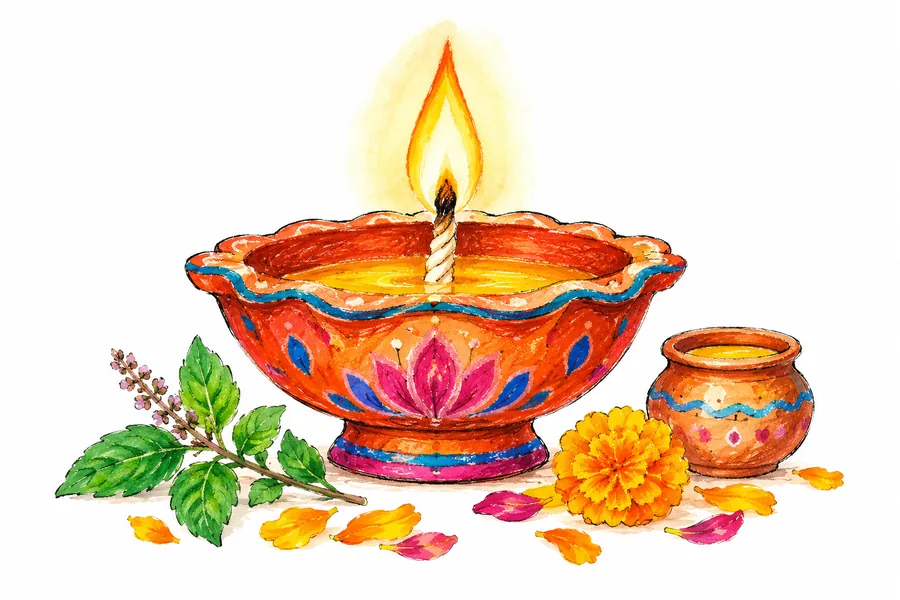
Begin by ringing the bell and creating a sacred boundary with water mixed with turmeric around the altar, moving clockwise. Light the ghee lamps at the four cardinal directions around the Linga. Chant Om Namah Shivaya three times to invoke Lord Shiva's presence. Bow and place white flowers at the Linga's base as a mark of respect. Apply turmeric powder on the Linga's surface while reciting Shiva mantras. Pour the first ablution vessel (water) slowly over the Linga while chanting the Rudram mantra, allowing it to flow naturally down the sides. This constitutes the Jala (water) Abhishek. Follow immediately with the milk ablution (Kshira Abhishek), pouring it gently over the Linga while continuing Rudram chanting. Then perform yogurt ablution (Dadhi Abhishek), honey ablution (Madhu Abhishek), and finally ghee ablution (Ghrita Abhishek) in the same manner, each accompanied by mantra recitation. After each ablution, ring the bell and waft the incense around the Linga. Once all ablutions are complete, apply sandalwood paste directly on the Linga. Scatter white flowers over and around the Linga. Offer coconut, vermillion, and a small portion of the prepared sweet offering. Perform complete aarti with ghee lamps, waving them in circular motions before the Linga while ringing the bell. Circumambulate the Linga three times clockwise with folded hands.
Mantras, Prayers and Offerings
Primary mantra throughout Rudrabhishek: Om Namah Shivaya (salutations to Lord Shiva, the supreme consciousness) - recite continuously during the entire ritual. Core Rudram mantra to recite during ablutions: Om Namo Bhagavate Rudray (salutations to the fierce form of the divine). During water ablution: Apojyotir Raso Amritam Brahma Bhur Bhuvah Swar (water carries divine light, essence, and immortal consciousness). During milk ablution: Payo Bishwamritam Swadhu (milk is the universal nectar and sweetness). During honey ablution: Madhu Bishwam Sukham Shantim Dehi (honey brings universal happiness and peace). During ghee ablution: Ghrita Brahma Sukhaprada (ghee connects us to divine consciousness and grants happiness). Mangala Mantra: Om Harah Hara Mahadeva Shambho Kapalinilaya, Rahasa Gupta Chandrakal Nihara Sukhadam Kara, Yam Yoginam Mano Mandi Mandir Pushpa Sadas Sukham, Tam Devesham Devakamam Kamanam Kamadevam Bhaje. Concluding prayer: Om Shanti Shanti Shanti (peace in all three realms).
Post-Puja Prasad, Restrictions and When to Perform
Collect the blessed water that has flown from the Linga (called Shivalinga Jala or Theertham) carefully in a vessel and distribute it as sacred prasad to all devotees present. This water is considered highly blessed and potent for healing and spiritual benefits. Each person should consume a small quantity with reverence, preferably on an empty stomach early morning. The remaining water can be used to water plants in your home or garden. Prepare and distribute blessed sweets (the prepared kheer or halwa) as prasad after the ritual completes. Maintain vegetarian diet and purity of thought and action for the remainder of the day. Avoid consuming meat, fish, eggs, alcohol, or any non-vegetarian food. Do not allow the lamps to extinguish before the aarti concludes. Perform Rudrabhishek ideally on Mondays (Shiva's sacred day), though any day is auspicious for sincere devotion. The most powerful time to perform Rudrabhishek is on Maha Shivaratri (the great night of Shiva, celebrated in February-March). Other favorable times include new moon days, eclipses, and during personal crises when protection and divine grace are especially needed. Devotees can perform Rudrabhishek monthly or as often as their devotion and circumstances permit.
 Ritual Guide