


Summary · Quick answer
Classical Vedic Jyotisha remedies for Saturn's Sade Sati, 19-year Dasha, and natal afflictions — grounded in authentic Graha-shanti principles.
This is editorial context. Where no primary citation is shown, treat it as a guide, not as a verified claim, personal prediction or medical advice.
Understanding Shani: Why Remedies Work — and When They Don't
In classical Jyotisha, Graha-shanti (planetary pacification) rests on a specific metaphysical premise: the Navagrahas are living forces with defined Karakatva (significations), and ritual offerings redirect their energy from affliction toward beneficence. Saturn remedies are by far the most sought in Vedic astrology because Shani's influence spans the most extended periods a native will face. Sade Sati — the 7.5-year transit of Saturn through the Rashi preceding, coinciding with, and following the natal Moon — affects the emotional body at the deepest level. The 19-year Saturn Mahadasha in the Vimshottari Dasha system governs a long arc of disciplined effort, delay, and eventual reward or bitter lesson. Saturn's three aspects (3rd, 7th, and 10th house from its position) cast a long shadow across the chart simultaneously. The foundational principle, stated clearly in the Brihat Parashara Hora Shastra and the Phaladeepika, is that remedies do not eliminate Karma — they soften its delivery mechanism and accelerate its processing. The native who expects a remedy to abolish a Saturn transit's lesson will be disappointed. The native who uses remedies to align with Saturn's deepest Dharma — disciplined endurance, service, and honest self-assessment — will find the period genuinely transformed.
This plays out differently in every chart.
See it in yours →Saturday Practices: Structuring the Week Around Shani's Day
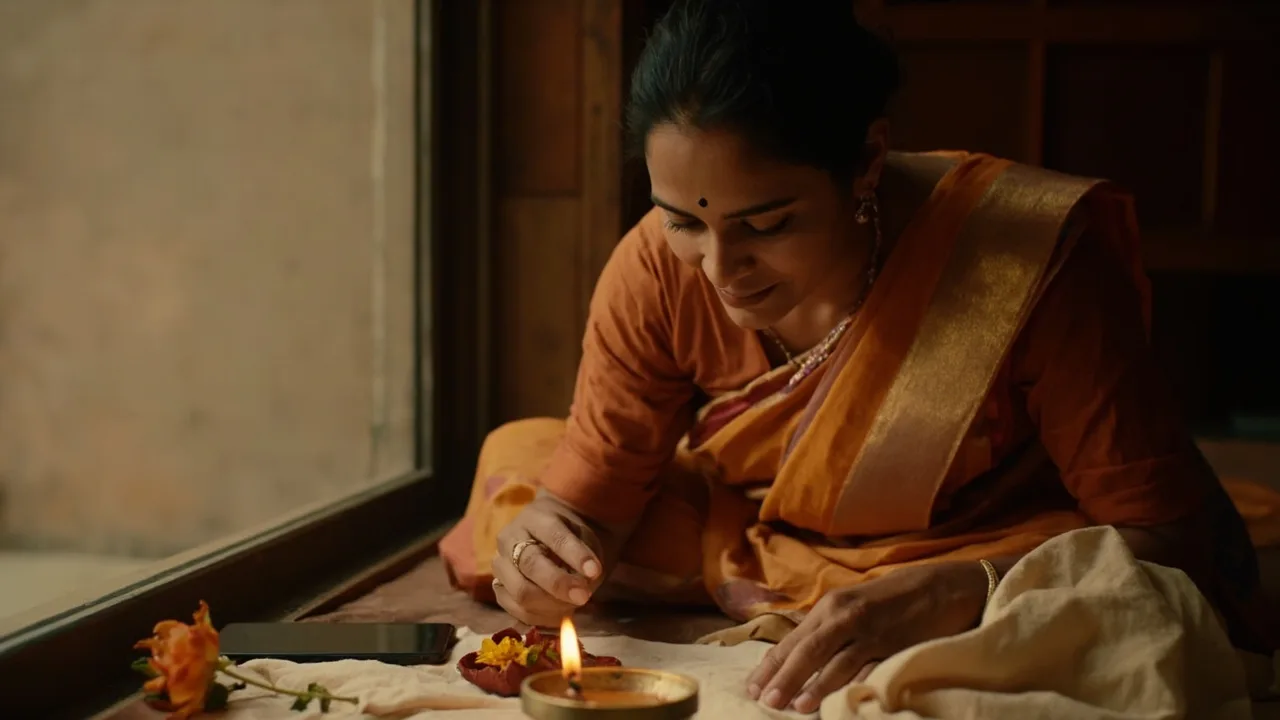
Shanivar (Saturday) is Saturn's Vara, and structuring weekly practice around this day is the most accessible and consistently recommended Saturn remedy across classical and traditional authorities. The classical morning practice begins before sunrise: bathe with cold water, offer black sesame seeds (til) and sesame oil to the rising Sun while facing east, and recite the Shani Beej mantra — Om Sham Shanicharaya Namaha — 108 times on a rosary of iron beads or black seeds. This combines Saturn's sacred substance (sesame), his direction-facing, and his seed-sound into a coherent practice. The Hanuman Chalisa recited on Saturdays is specifically said in the traditional Shani Mahatmya texts to pacify Saturn, drawing on the classical account of Hanuman defeating Shani and freeing him from Ravana's prison — an act that earned Saturn's promise to honor Hanuman's devotees. This makes Saturday Hanuman Chalisa recitation one of the most widely validated Saturn remedies across North Indian Jyotisha lineages. Wearing blue or black on Saturdays — Saturn's colors in the classical color-Graha correspondences — aligns the subtle body's color frequency with Shani's vibration. Saturday fasting, or eating only sesame-based foods and avoiding meat, is the dietary expression of the same alignment.
Seva: Service as the Most Authoritative Saturn Remedy
Across every classical and traditional Jyotisha lineage, the most consistently validated Saturn remedy is not mantra, gemstone, or ceremony — it is Seva (disinterested service) directed precisely at the populations Saturn himself represents. In the Karakatva system, Shani is the Graha of the marginalized: the elderly, laborers, servants, those living with disability, and animals of burden. The Shani Mahatmya texts explicitly state that Saturn's affliction can be greatly mitigated by a native who genuinely serves these populations without expectation of recognition. Practical expressions: regular volunteering at or material support of elderly care facilities; offering meals to daily wage laborers and sanitation workers; Go-seva (caring for cows, particularly black cows, which are Saturn's animal in the classical correspondence system); caring for black dogs, which tradition also assigns to Shani; donating iron implements, sesame oil, black lentils (urad dal), and black clothing on Saturdays to those in genuine need. These remedies function through a specific Dharmic logic: the native whose Saturn is afflicted is typically resisting their own Karma of responsibility and service. By voluntarily enacting what Saturn demands, the resistance dissolves, and Saturn's energy can deliver its constructive gifts — discipline, mastery, authentic authority — rather than its afflictions. Nishkama Karma (action without attachment to results) is the attitudinal requirement.
Keep going
Find this in your free KundliCast your full Vedic birth chart — nakshatras, padas, dashas, yogas — free
Gemstones, Oil, and Physical Saturn Remedies in the Classical System
Blue Sapphire (Neelam) is Saturn's primary gemstone in the Navaratna (nine-gem) system, and it is also the most restricted and potentially dangerous gemstone in Vedic gemology. The Hora Shastra tradition is emphatic: Neelam amplifies Saturn's energy in both directions simultaneously. For a native whose Saturn is both a functional benefic for their Lagna AND placed in a strengthening Bhava (1st, 4th, 5th, 7th, 9th, 10th, or 11th), Blue Sapphire can accelerate Saturn's most constructive gifts — career advancement, discipline, and material stability. For a native with a weak, afflicted, or functionally malefic Saturn, the same stone can precipitate accidents, illness, financial reversal, and social isolation within days of wearing. A qualified Jyotishi must assess both functional lordship and positional strength before recommending Neelam. Shani Abhishekam — the ritual bathing of a Shani murti (Saturn idol) or Shiva lingam with sesame oil (til tailam) on Saturdays — is the primary temple remedy, widely available at Navagraha temples across India. Shami tree worship (Prosopis cineraria, Acacia suma) is specifically designated as Saturn's sacred tree in the classical botanical correspondences; lighting a mustard-oil lamp beneath a Shami tree on Saturday evenings is a traditional remedy for Sade Sati.
Mantra, Prayer, and the Internal Saturn Remedies That Last
The Shani Stotra from the classical Navagraha Stotras provides the foundational prayer for Saturn pacification, formally invoking Shani's attributes and requesting his grace. The Shani Gayatri — Om Shanaischaraya Vidmahe, Suryaputraya Dhimahi, Tanno Manda Prachodayat — is the Vedic-form invocation appropriate for daily practice. The Dasharatha Shani Stotra, attributed to King Dasharatha (father of Rama) in the Skanda Purana, is specifically recommended for Sade Sati because the text frames it as Dasharatha's own successful pacification of Saturn's transit. Shiva worship is the deepest substrate of Saturn remedy in the classical system because Shiva is identified as Mahakala — the lord of time and Karma — of which Saturn is the planetary expression. Rudrabhishekam and Maha Shivaratri observance are considered among the most powerful available remedies for severe Saturn affliction. Beyond ceremony, the attitudinal remedies that classical Jyotisha authorities agree work at the deepest level are neither mantra nor gemstone: accepting what cannot be altered in this Dasha cycle; performing duty without craving recognition; working with sustained disciplined patience in the direction of authentic Dharma rather than superficial ambition. Saturn ultimately rewards only those who operate from genuine integrity within their legitimate role.