 Healers World








































 Updated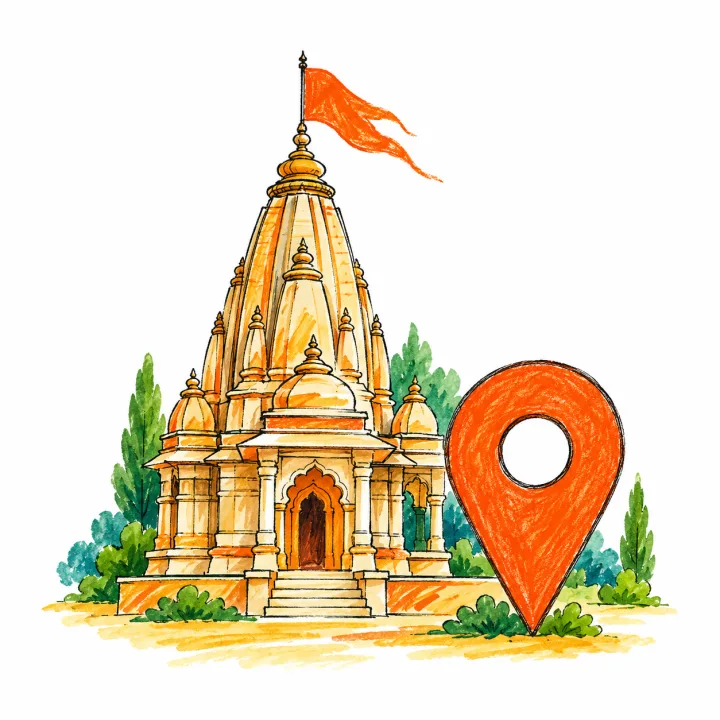
 quick answer
The Vaishno Devi pilgrimage in Kashmir is one of Hinduism's most visited sacred sites. This complete guide explores the mythology, journey, and spiritual significance of this divine yatra.
- Topic
- Temple Story
- Reading time
- 10 minutes
- Written by
- Healers World Studio
- Last updated
- 12 August 2026
The Divine Legend of Mata Vaishno Devi and Sacred Mythology
Vaishno Devi, also known as Mata Rani, Trikuta, and the Divine Mother, is revered as the manifestation of the cosmic feminine energy or Shakti in Hindu spirituality. According to the sacred narrative preserved in the Devi Mahatmya and local Kashmiri legends, Mata Vaishno Devi was born as the daughter of a Brahmin sage and spent her childhood in intense meditation and tapasya directed toward Lord Shiva. When a powerful demon named Bhairav threatened the cosmic order and sought to dominate the three realms, the Mother Divine took it upon herself to battle this dark force and restore dharma. The cave sanctuary at Katra became the site of divine manifestation where the Mother revealed her three forms—Kali, Lakshmi, and Saraswati—representing cosmic destruction of evil, abundance and prosperity, and knowledge and wisdom respectively. In the final confrontation with the demon Bhairav, the Mother vanished into the sacred mountain, manifesting her divine presence in three underground chambers where the yatra culminates. These three chambers are believed to contain the spontaneously manifested sacred symbols of the Divine Mother, with holy stones representing her creative and destructive powers. Pilgrims across the Hindu world have long believed that visiting the Vaishno Devi shrine grants complete fulfillment of legitimate desires, resolution of life problems, and supreme spiritual enlightenment. The yatra itself is considered a divine invitation from the Mother, with pilgrims often experiencing sudden inexplicable urges to undertake the journey, which they recognize as her calling.
Sacred Pilgrimage Architecture and the Route to Divine Darshan
The Vaishno Devi shrine is located at the Bhawan or main temple complex, situated approximately 2,400 meters above sea level in the Trikuta mountains in Jammu and Kashmir. The pilgrimage begins from Katra, the base town, which is connected by well-developed road infrastructure to Jammu and other major cities. From Katra, devotees undertake either a 13-kilometer trek uphill or use pony and helicopter services to reach the Bhawan. The trekking route passes through multiple natural and constructed sanctuaries, including the Charan Paduka shrine where Lord Rama's footprints are believed to be imprinted in stone, and the Adhkuwari sanctuary said to be where the Mother hid from Bhairav. The Bhawan complex features a well-designed temple structure built into the mountainside, with multiple chambers, prayer halls, and ritual spaces maintaining ancient architectural principles while incorporating modern facilities. The innermost sanctum contains three sacred chambers, each containing naturally manifested stones believed to be the symbolic representation of the Divine Mother in her three forms. The Bhairav Temple, located below the main sanctuary, houses the temple of the demon whose conquest is commemorated during the yatra. The journey from Katra to Bhawan takes approximately six to eight hours for trekking pilgrims, with rest shelters and water points strategically placed along the route. Recent developments include the installation of railings, illuminated pathways, and emergency medical facilities ensuring that pilgrims of all age groups and fitness levels can complete the yatra safely.
Planning Your Yatra: Best Season, Routes, and Practical Preparations
The Vaishno Devi shrine remains open throughout the year, but the pilgrimage season extends from March to November when weather conditions are conducive to travel. The best time to visit is between May and October when roads are clear, temperatures moderate, and trekking conditions are favorable. Summer months (June to August) see the heaviest pilgrim traffic, with hundreds of thousands undertaking the yatra during this period. The winter season (December to February) experiences snow and icy conditions that can make trekking hazardous, though adventure-minded pilgrims do undertake the journey during these months seeking additional spiritual merit. The primary route involves trekking from Katra, but alternative routes from Chander, Adhkuwari, and other approaches are available for those seeking different experiences. Pilgrims should wear comfortable trekking shoes, carry light baggage, and pack essential items including medications, water, and energizing snacks. The weather can be unpredictable in the mountains, so carrying a light jacket or raincoat is essential even during favorable seasons. Accommodation options in Katra and surrounding areas range from budget guest houses to comfortable hotels, with pre-booking recommended during peak season. The Vaishno Devi Shrine Board manages a computerized registration system that provides updates on real-time queue status, helping pilgrims plan their darshan timings effectively. Helicopter services operating from Katra to the base near Bhawan are available for those unable to trek, but require advance booking and substantial fees. Pilgrims are advised to maintain a sattvic diet consisting of vegetarian food and to observe celibacy during the yatra as acts of devotion and respect for the sacred journey.
Darshan Protocol and Sacred Rituals of the Divine Mother
Upon arrival at the Bhawan, pilgrims undergo a security screening process before entering the main temple complex, a necessary measure to maintain the safety and sanctity of the shrine. The darshan of the three sacred chambers follows a specific protocol where pilgrims move sequentially through the inner sanctums where Kali, Lakshmi, and Saraswati are represented by naturally manifested stones. The passage through the chambers is considered symbolically significant, representing the spiritual journey from conquering ego-consciousness (Kali) through achieving material and spiritual prosperity (Lakshmi) to attaining ultimate wisdom and enlightenment (Saraswati). Priests at each chamber perform rituals involving the application of sacred ash or vermillion to the forehead of devotees, transmitting blessings and completing the sacred transaction between devotee and deity. The Aarti or ritual offering of lamps is performed multiple times daily, with the evening Aarti being particularly magnificent, creating an atmosphere charged with devotional energy. Pilgrims make offerings of coconut, flowers, incense, and sweets that are consecrated as Prasad and distributed among devotees as the blessed remnants of the Mother's consumption. Special pujas can be arranged in advance, including the Maha Aarti where elaborate rituals are performed by senior priests with the assistance of numerous attendants. The experience of walking through the sacred chambers, touching the divine stones, and receiving blessings is considered transformative, often resulting in profound emotional release and spiritual elevation. Many pilgrims describe the experience as direct communion with the Divine Mother, transcending ordinary consciousness and touching the infinite dimension of existence.
Spiritual Blessings and Divine Grace of Mata Vaishno Devi
The Vaishno Devi yatra is undertaken by devotees seeking diverse blessings ranging from material fulfillment to ultimate spiritual liberation. Young girls visit the shrine seeking divine blessings for suitable marriage proposals and harmonious married life, believing that the Mother's grace accelerates the manifestation of their heart's desires. Childless couples come with prayers for progeny, trusting that the Divine Mother's blessings grant them the gift of children and fulfilled family life. Those facing health challenges, whether physical ailments or mental disturbances, visit seeking divine healing and removal of the root causes of suffering. Business people and professionals seek blessings for business growth, professional advancement, and removal of obstacles impeding their success. Students come seeking enhanced intelligence, concentration, and success in examinations and competitive endeavors. Those undergoing personal crises or traumatic life experiences come seeking solace, divine intervention, and clarity about their life path forward. The primary blessing sought by most pilgrims, however, is spiritual enlightenment and liberation from the cycles of birth and death. The presence of the Divine Mother in her true form, without the veil of maya or illusion, is believed to awaken dormant spiritual faculties and accelerate the soul's evolution toward ultimate realization. Millions of pilgrims have reported extraordinary coincidences and sudden resolution of problems following sincere worship at Vaishno Devi, leading to an unshakeable conviction that the Divine Mother responds directly to the prayers of sincere seekers. The yatra itself, despite its physical challenges and hardships, is considered a blessing, as the difficulty of the journey serves to purify accumulated karmic debts and prepare the soul for direct communion with the infinite.