 Healers World












































 અપડેટ થયું
 ઝડપી જવાબ
ભગવાન શિવનું સન્માન કરવા, રુદ્ર મંત્રોનો ઉપયોગ કરવા અને આરોગ્ય, શાંતિ તેમજ સમૃદ્ધિના આશીર્વાદ મેળવવા માટે રુદ્રાભિષેક પૂજાના સંપૂર્ણ સોપાનો શીખો.
- વિષય
- વિધિ માર્ગદર્શિકા
- વાંચવાનો સમય
- 11 મિનિટ
- લેખક
- હીલર્સ વર્લ્ડ સ્ટુડિયો
- છેલ્લે અપડેટ થયું
- 12 August 2026
Purpose and Spiritual Significance
Rudrabhishek is a sacred ritual dedicated to Lord Shiva where the Rudram (Vedic hymn) is chanted while water, milk, yogurt, honey, ghee, sandalwood paste, and flowers are ceremonially poured over the Shiva Linga (symbolic representation of Lord Shiva). The word Rudra refers to the fierce, transformative aspect of Lord Shiva, the supreme consciousness who destroys ignorance and ego to facilitate spiritual awakening. According to Vedic tradition, performing Rudrabhishek removes accumulated karma, purifies the soul, grants protection from negative energies, and invokes Shiva's blessings for health, peace, prosperity, and liberation (moksha). The ritual is especially powerful when performed on auspicious days like Mondays (Shiva's sacred day), Maha Shivaratri (the great night of Shiva), or during personal difficulties and transitions. Devotees believe that sincere Rudrabhishek leads to spiritual transformation, mental peace, family harmony, and divine grace in all endeavors.
Materials Needed and Preparation
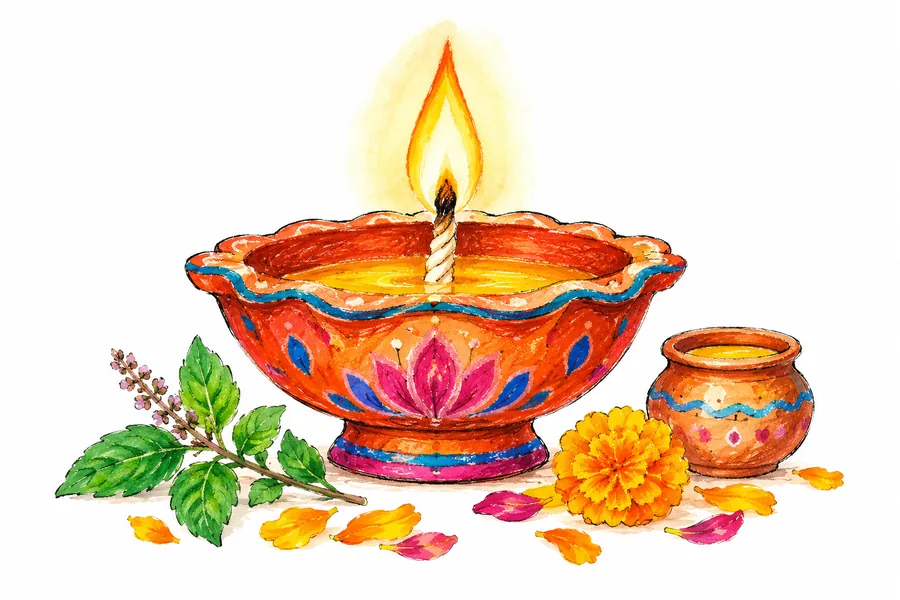
Essential materials (samagri) for Rudrabhishek: Shiva Linga (stone or metal idol), water vessel (preferably copper or brass), raw milk (one liter minimum), yogurt (one cup), honey (one cup), ghee (one cup), sandalwood paste, turmeric powder, vermillion, white flowers (jasmine, datura, or white roses), coconut, sugar, jaggery (gur), sesame seeds, incense sticks, camphor, oil lamps (ghee-based diyas), bell, banana leaves, besan (chickpea flour), and a printed or written copy of Rudram mantras. Prepare a clean, peaceful space facing east or north, ideally in the prayer room or under a Peepal tree if outdoors. Arrange the Shiva Linga on a flat, raised platform or in a specially designed basin to catch the ablution water (this water later becomes blessed and is used to water plants). Mix all the ablution materials in the sequence specified (water first, then milk, then yogurt, then honey, then ghee). Create a small dampened clay image or small container to represent the Linga if you don't have a physical one. Bathe and wear clean, preferably white or light-colored clothes before beginning the ritual.
 વિધિ માર્ગદર્શિકા