 Healers World









































 ನವೀಕರಿಸಲಾಗಿದೆ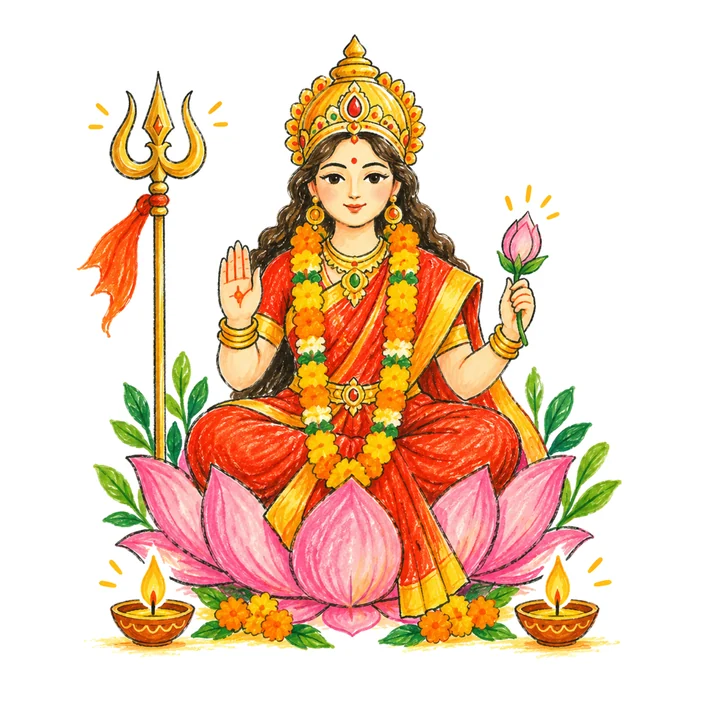
 ತ್ವರಿತ ಉತ್ತರ
ಕಾರ್ತಿಕ ಶುಕ್ಲ ದ್ವಾದಶಿಯಂದು ವಿಶ್ವವು ಭಗವಾನ್ ವಿಷ್ಣು ಮತ್ತು ತುಳಸಿದೇವಿಯ ದಿವ್ಯಮಿಲನಕ್ಕೆ ಸಾಕ್ಷಿಯಾಗುತ್ತದೆ — ನಂತರ ನಡೆಯುವ ಎಲ್ಲ ಮಾನವ ವಿವಾಹಗಳ ಮೇಲಿನ ಶುಭಕಾರ್ಯದ ನಿರ್ಬಂಧವನ್ನು ತೆರವುಗೊಳಿಸುವ ದೈವಿಕ ವಿವಾಹ.
- ವಿಷಯ
- ಹಬ್ಬ
- ಓದುವ ಸಮಯ
- 8 ನಿಮಿಷಗಳು
- ಬರೆದವರು
- ಹೀಲರ್ಸ್ ವರ್ಲ್ಡ್ ಸ್ಟುಡಿಯೋ
- ಕೊನೆಗೆ ನವೀಕರಿಸಲಾಗಿದೆ
- 12 August 2026
The Myth and Story of Tulsi Vivah
The story of Tulsi Vivah begins with Vrinda, a supremely devoted wife of the asura king Jalandhar. Vrinda's chastity was so absolute that it formed an invincible shield around her husband, making him impossible to defeat in battle. The gods, led by Lord Vishnu, devised a plan: Vishnu assumed the form of Jalandhar and broke Vrinda's vow of fidelity. The moment her devotion faltered, Jalandhar was slain by Shiva. When Vrinda discovered the deception, she was consumed by grief and fury, cursing Vishnu to become a stone — which is why Shaligram, the sacred black stone, is venerated as a form of Vishnu. Vrinda then gave up her body, and from the earth where she fell grew the Tulsi plant. Moved by her devotion and repenting the pain caused, Vishnu blessed her saying she would be worshipped as Tulsi Devi and that he would marry her in the form of Shaligram every year on Kartik Shukla Dwadashi. This annual ritual marriage became Tulsi Vivah — a reminder that even divine plans carry karmic costs, and that true devotion always finds its sacred culmination.
Spiritual Significance of Tulsi Vivah
Tulsi Vivah marks the formal end of Chaturmas, the four-month period during which Lord Vishnu sleeps in Kshir Sagar, the cosmic ocean of milk. Because Vishnu is the preserver and the cosmic witness of all auspicious events, his sleep means no major life rituals — including weddings — should be performed during this period. His awakening on Prabodhini Ekadashi (Kartik Shukla Ekadashi) and his symbolic marriage on Dwadashi open the cosmic registry for human weddings once more. In this sense, Tulsi Vivah is not merely a story; it is the divine sanction of marriage as a sacred institution. Tulsi herself represents the highest ideal of devotion — not sentimental attachment, but a faithfulness so complete it bends cosmic law. Every home that performs this puja annually reaffirms the sanctity of domestic life, the role of the Grihalakshmi (the goddess who presides over the household), and the understanding that even a plant — rooted, quiet, fragrant — can embody divine grace. Planting and tending a Tulsi plant at home is therefore considered equivalent to housing a goddess.
 ಹಬ್ಬ
ಹಬ್ಬ