


























വിഷയം തിരിച്ചറിയുക
തുടക്കം നിർവ്വകലനും പാരമ്പര്യവും ഉത്തരിക്കുന്ന പ്രശ്നവുമാണ്. കലണ്ടറിലെ കണക്കുകൂട്ടൽ, ജ്യോതിഷ ചിത്രവിവർത്തനം, ഭക്തിപ്രസംഗം എന്നിവ വ്യത്യസ്ത തരത്തിലുള്ള ജ്ഞാനമാണ്.
 Healers World
 ടൂളുകൾ സൗജന്യ കുണ്ഡ്ലിസൗജന്യം
 കുണ്ഡ്ലി മാച്ചിംഗ്സൗജന്യംപഞ്ചാങ്ഗവും മുഹൂർത്തവുംസൗജന്യം
 ടാറോട്ട്സൗജന്യം
 സ്വപ്ന വായനസൗജന്യം
 ന്യൂമറോളജിസൗജന്യം
 അക്ഷര, നിങ്ങളുടെ പേര്സൗജന്യം
 ലാൽ കിതാബ്സൗജന്യം
 കൈയുടെ വായനപണമടച്ചത്
 മൊബൈൽ നമ്പർസൗജന്യം
 വാഹന നമ്പർസൗജന്യം
 പ്രശ്നംപ്രോ
 ക്രിസ്റ്റൽ ഗൈഡ്സൗജന്യം
 ദോഷങ്ങളും സാദെ ശതിയുംസൗജന്യം
 ജ്യോതിഷ രത്ന നിർദ്ദേശംസൗജന്യം
 വാസ്തു ദിശകൾസൗജന്യം
 എല്ലാ ടൂളുകളും
 ജ്ഞാനപത്രം
  റിപ്പോർട്ടുകൾ
  വിവരണം
 ജ്യോതിഷിലെ ഗ്രഹകാലമായ കാലഘട്ടം സമ്പ്രദായിന്റെ പേരാണ് ദശ; വിംശോത്തരി ആണ് 120 വർഷം പരിശീലിക്കുന്ന, ഒൻപത് ആധിപതിമാരുള്ള സമ്പ്രദായം, ജനന ചന്ദ്രന്റെ നക്ഷത്ര സ്ഥാനത്തിൽ തുടങ്ങുന്നത്. ഈ ഗൈഡിൽ നിർവ്വചനത്തെയും അതിന്റെ പരമ്പരയുടെ വിശകരണവും വേർതിരിച്ചിട്ടുണ്ട്; ഒരു ദിശയായിട്ടുള്ള ഉദാഹരണം നൽകുന്നു; കൂടാതെ നിങ്ങളുടെ സ്വന്തം ജാതക ചാർട്ടിലോ കലണ്ടറിലോ ഇത് ഉപയോഗിക്കുന്നതിനു മുമ്പ് വേണ്ട സന്ദർഭവും വിശദീകരിക്കുന്നു.
ഇവിടെ തുടങ്ങുക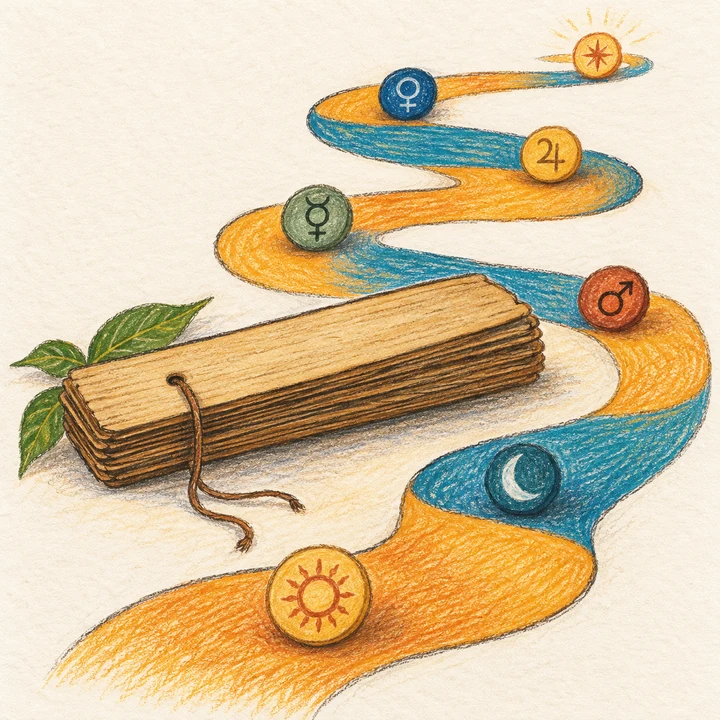
ദശ (വിംശോത്തരി) എന്നത് വൈദിക ജ്യോതിഷം ഗ്ലോസറിയിലെ ഒരു പദമാണ്.
| തരം | പഠന ഗൈഡ് |
|---|---|
| സമ്പ്രദായം | വൈദിക ജ്യോതിഷം |
ജ്യോതിഷിലെ ഗ്രഹകാലമായ കാലഘട്ടം സമ്പ്രദായിന്റെ പേരാണ് ദശ; വിംശോത്തരി ആണ് 120 വർഷം പരിശീലിക്കുന്ന, ഒൻപത് ആധിപതിമാരുള്ള സമ്പ്രദായം, ജനന ചന്ദ്രന്റെ നക്ഷത്ര സ്ഥാനത്തിൽ തുടങ്ങുന്നത്.
വിവിധ ദശാസംഗതികൾ വ്യത്യസ്ത ആരംഭ നിയമങ്ങൾ ഉപയോഗിക്കുന്നു. വിംശോത്തരി മഹാദശകൾ അന്തർദശകളായും അതിന് താഴെയുള്ള തലങ്ങളായും വിഭജിക്കുന്നു. ജനനസമയത്ത് ശേഷം ബാക്കിയുള്ള ദശ കണക്കാക്കണം; എല്ലാ ദശയും ഒരേ അനുഭവത്തോടെ തുടങ്ങുമെന്ന് കരുതിയോടുമില്ലാതെ സമയം വിശകലനം ചെയ്യുന്നത് മുഴുവൻ ജാതക ചിത്രത്തോടൊപ്പായിവയാണ്.
ഈ നിർവ്വചനം ഒരു പരമ്പരാഗത സമ്പ്രദായത്തെ വിശദീകരിക്കുന്നതാണ്; ഒരു വ്യക്തിയുടെ ആരോഗ്യത്തെക്കുറിച്ചോ സമ്പത്തെക്കുറിച്ചോ ബന്ധങ്ങളെക്കുറിച്ചോ ഭാവിയെക്കുറിച്ചോ ഉള്ള വാഗ്ദാനമല്ല. സ്ഥാനസംബന്ധത്തെ വിശകലനം ചെയ്യുന്നതിന് മുമ്പ് മുഴുവൻ ചിത്രവും അതിന്റെ കണക്കുകളും വായിക്കൂ.

പ്രദർശിപ്പിച്ച ശുക്രജന്മ കാലം ഒരു സമയാനുകൂല ലേബൽ മാത്രമാണ്. അതിന്റെ പരമ്പരാഗത താംസങ്ങൾ ആ വ്യക്തിയുടെ കലണ്ഡത്തിലെ ശുക്രന്റെ യഥാർത്ഥ ഭവനത്തെയും അധിപത്യത്തെയും ബലത്തെയും ആശ്രയിച്ചിരിക്കുന്നു.
തുടക്കം നിർവ്വകലനും പാരമ്പര്യവും ഉത്തരിക്കുന്ന പ്രശ്നവുമാണ്. കലണ്ടറിലെ കണക്കുകൂട്ടൽ, ജ്യോതിഷ ചിത്രവിവർത്തനം, ഭക്തിപ്രസംഗം എന്നിവ വ്യത്യസ്ത തരത്തിലുള്ള ജ്ഞാനമാണ്.

വിശദീകരണം അതിന്റെ പേരിട്ട അടിവ്യക്തതയോടും താരതമ്യം ചെയ്യൂ. ഒരു വാക്യത്തെ പൂർണ്ണ വിധാനമായി കണ്ടെത്താതെ, ബന്ധപ്പെട്ട പദങ്ങൾ, പ്രാദേശിക പ്രാതിനിലമറിയും രീതിനിർദ്ദേശങ്ങളും പിന്തുടരുക.
വ്യക്തിഗത ചാര്ടിന്, നിങ്ങളുടെ സ്വന്തം ജനന വിവരങ്ങൾ ഉപയോഗിക്കുക. കലണ്ടറിന്, സ്ഥലവും തീയതിയും പരിശോധിക്കുക. ആചാരത്തിനോ സന്ദർശനത്തിനോ, ക്ഷേത്രമോ ദാമാദാരനോ ഉപയോഗിക്കുന്നവരോടും അപ്പോള നിർദ്ദേശങ്ങൾ ഉറപ്പാക്കുക.
പാരാശരി ജ്യോതിഷം: ബൃഹത് പാരാശര ഹോര ശാസ്ത്രവും ഫലദീപികയും. ജൈമിനിയുടെ പദങ്ങൾ വേറെ തന്നെ തിരിച്ചിട്ടടിയാണ് അവതരിക്കുന്നത്; പഞ്ചാംഗത്തിന്റെ പദങ്ങൾ ഇന്ത്യൻ ജ്യോതിഷ് കലണ്ടറിനെയും ജ്യോതി കോണങ്ങളെയും വിവരിക്കുന്നു.
ഞങ്ങളുടെ മെഥോഡോളജി: കണക്കാക്കലുകൾ, ഉറവികൾ, പരിധികൾജ്യോതിഷിലെ ഗ്രഹകാലമായ കാലഘട്ടം സമ്പ്രദായിന്റെ പേരാണ് ദശ; വിംശോത്തരി ആണ് 120 വർഷം പരിശീലിക്കുന്ന, ഒൻപത് ആധിപതിമാരുള്ള സമ്പ്രദായം, ജനന ചന്ദ്രന്റെ നക്ഷത്ര സ്ഥാനത്തിൽ തുടങ്ങുന്നത്.
വിവിധ ദശാസംഗതികൾ വ്യത്യസ്ത ആരംഭ നിയമങ്ങൾ ഉപയോഗിക്കുന്നു. വിംശോത്തരി മഹാദശകൾ അന്തർദശകളായും അതിന് താഴെയുള്ള തലങ്ങളായും വിഭജിക്കുന്നു. ജനനസമയത്ത് ശേഷം ബാക്കിയുള്ള ദശ കണക്കാക്കണം; എല്ലാ ദശയും ഒരേ അനുഭവത്തോടെ തുടങ്ങുമെന്ന് കരുതിയോടുമില്ലാതെ സമയം വിശകലനം ചെയ്യുന്നത് മുഴുവൻ ജാതക ചിത്രത്തോടൊപ്പായിവയാണ്.
ഇല്ല. ഒരു പദം ഒരു രീതിയുടെ ഒരു ഭാഗം എന്നാണ് പറയുന്നത്. ജ്യോതിഷിലെ അത് ലഗ്നവും, ഭാവകാരികളും, ഗ്രഹദോഷവും, സമയവും എന്നിവയോടൊപ്പം വായിക്കണം; അത് ഒറ്റയ്ക്ക് ജീവിതത്തെ സംബന്ധിച്ചുള്ള തീരുമാനം നൽകില്ല.
ഇല്ല. ഈ വഴികയിലെ ഓരോ ഉദാഹരണവും വിശദീകരണത്തിനായിരുന്നു. നിങ്ങളുടെ സ്വകാര്യ കുണ്ടളി അല്ലെങ്കിൽ റിപ്പോർട്ട് നിങ്ങൾ നൽകുന്നതോ സംവകാശിക്കുന്നതോ ചെയ്യുന്ന തീയതി, സമയം, സ്ഥലം എന്നിവക്ക് അനുയോജ്യമാണ്; പ്രദർശന ജനനത്തിന് ഒരിക്കലുമില്ല.
ഗ്രന്ഥങ്ങളും പരമ്പരാഗത ധാരകളും അയനാംശ ക്രമീകരണങ്ങളും സൂത്രങ്ങളും വ്യത്യാസപ്പെട്ടിരിക്കാം. രണ്ട് വായനവളുകൾ താരതമ്യം ചെയ്യുമ്പോൾ പേരിറ്റിയ സമ്പ്രദായവും കണക്കുക്കുന്ന രീതിയും പരിശോധിക്കുക; ഞങ്ങളുടെ മെഥേഡോളജി പേജ് ഈ വ്യത്യാസങ്ങൾ വിശദീകരിക്കുന്നു.
ഉദ്ധരിക്കപ്പെടുത്ത വ്യക്തിഗത റിപ്പോർട്ട് · ₹199
വ്യക്തിഗത റിപ്പോർട്ടുകൾ അറിയൂവിഷയം തിരഞ്ഞെടുത്ത് വാങ്ങുന്നതിന് മുമ്പ് അതിന്റെ പ്രിവ്യൂ പരിശോധിക്കുക. നിങ്ങളുടെ സ്വന്തം ജനന വിവരങ്ങളാണ് ഉപയോഗിക്കുന്നത്; ഈ ഉദാഹരണങ്ങൾ ഒരിക്കലും നിങ്ങളുടെ ജാതകമലയല്ല.