 Healers World









































 अद्यतनित
 त्वरित उत्तर
पूर्वजों का सम्मान करने, तर्पण एवं पिंड दान सम्पन्न करने, और उनकी आत्माओं को कार्मिक चक्रों से मुक्त कराने हेतु पितृ पक्ष श्राद्ध विधि सम्पन्न करें।
- विषय
- अनुष्ठान मार्गदर्शिका
- पढ़ने का समय
- 11 मिनट
- लेखक
- हीलर्स वर्ल्ड स्टूडियो
- अंतिम अद्यतन
- 12 August 2026
Purpose and Spiritual Significance
Pitru Paksha Shraddha is a sacred 16-day period (typically September-October) when Hindu families honor their deceased ancestors through ritualistic offerings (Shraddha) and prayers, believing that ancestral souls remain connected to living descendants and require spiritual sustenance and reverence. According to Hindu philosophy, death is not the end but a transition to another plane of existence; ancestors in the spiritual realm benefit from the prayers, mantras, and food offerings of their living descendants. Performing Shraddha rituals demonstrates gratitude for the sacrifices made by ancestors, ensures their peace in the afterlife, removes any negative impressions or unfulfilled desires binding them to the material realm, and invokes their blessings upon the family. The rituals are performed during Pitru Paksha (fortnight of ancestors), believed to be a time when the veil between material and spiritual worlds is thin, making offerings especially potent. Hindu tradition holds that neglecting ancestral rituals can result in ancestral curses or dissatisfaction manifesting as family problems, while sincere Shraddha brings ancestral blessings of protection, prosperity, and spiritual progress. The practice honors dharma (duty) toward those who came before us.
Materials Needed and Preparation
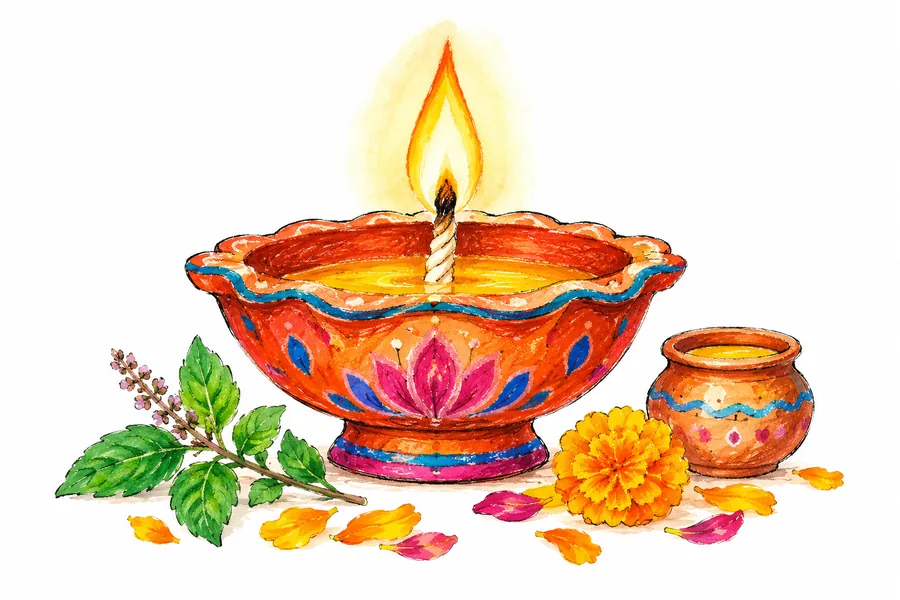
Essential materials for Pitru Paksha Shraddha: white or light-colored flowers (jasmine, white roses, lotus if available), water vessel (preferably copper or brass), sesame seeds (til), barley (jau), rice, lentils, ghee, milk, honey, jaggery (gur), salt, vegetables (pumpkin, bottle gourd, leafy greens), rice flour, turmeric powder, vermillion (avoid if possible, as it's avoided during Shraddha), sandalwood paste, incense sticks (white or natural), oil lamp, bell, and items for preparing the Shraddha meal (khichdi - rice and lentils, vegetables, rice cakes or bread). Prepare a clean, east or south-facing altar space dedicated to ancestors. Arrange photographs or mental images of deceased family members (father, grandfather, grandmother, parents, and other ancestors). Create a small mound of earth or clay to represent the ancestors collectively, or mark a space on the floor. Prepare the Shraddha food: khichdi cooked in ghee, seasonal vegetables, and rice cakes. Ensure the meal uses white grams and sesame seeds, which are considered especially beneficial for ancestral peace. Arrange fresh white flowers in a vase near the ancestor space. Note the exact death dates () of each ancestor during Pitru Paksha.
 अनुष्ठान मार्गदर्शिका