 Healers World












































विषय की पहचान करें
परिभाषा, परंपरा और उत्तर दिए जा रहे प्रश्न से आरंभ करें। पंचांग परिकलन, कुंडली-व्याख्या और भक्ति-कथा — तीनों ज्ञान के भिन्न प्रकार हैं।
वक्री या वक्र ग्रह पृथ्वी से देखने पर राशि-चक्र में प्रतीत होने वाली पीछे की गति है; ग्रह वास्तव में अपनी कक्षा उलट नहीं करता। यह मार्गदर्शिका परिभाषा को उसके पारंपरिक अर्थ से अलग करती है, एक अंकित उदाहरण देती है और व्यक्तिगत जन्म कुंडली या पंचांग में उपयोग से पहले आवश्यक संदर्भ समझाती है।
यहाँ से शुरू करें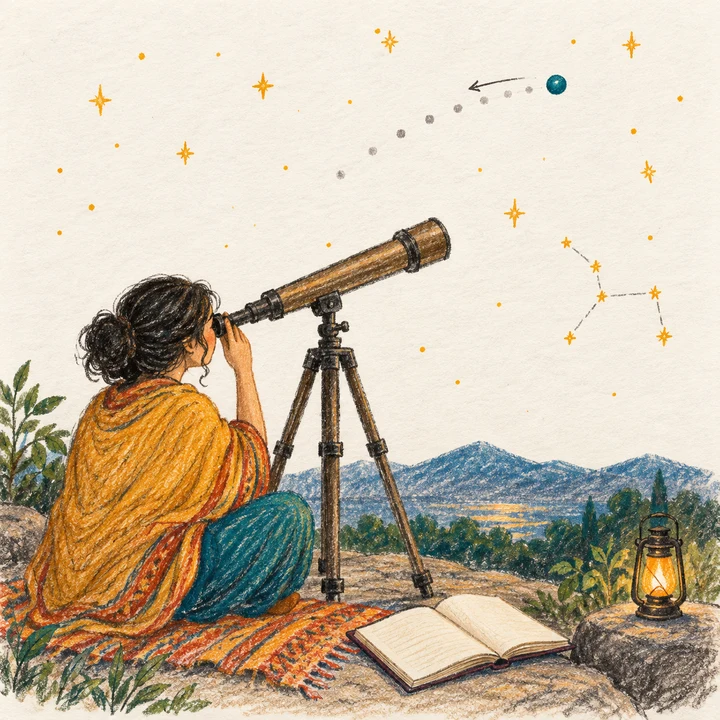
वक्री या वक्र ग्रह पृथ्वी से देखने पर राशि-चक्र में प्रतीत होने वाली पीछे की गति है; ग्रह वास्तव में अपनी कक्षा उलट नहीं करता।
प्रतीत होने वाली गति सापेक्ष कक्षीय ज्यामिति से उत्पन्न होती है। ज्योतिष व्याख्या गति-शक्ति को केवल शुभ-अशुभ लेबल से अलग करती है। मान चंद्र-ग्रह वक्री गति से चलते हैं; स्पष्ट-ग्रह गति कुछ समय भिन्न हो सकती है। सामान्य वक्री अवधि यह सिद्ध नहीं करती कि कोई अनुबंध, यात्रा या उपकरण विफल होगा।
यह परिभाषा एक पारंपरिक पद्धति समझाती है, किसी व्यक्ति के स्वास्थ्य, धन, संबंधों या भविष्य के बारे में कोई वादा नहीं करती। किसी स्थिति की व्याख्या से पहले पूरी कुंडली और उसकी गणना-सेटिंग पढ़िए।

किसी ग्रह का दर्ज देशांतर कई तिथियों में घटता हुआ दिख सकता है, जो राशि-संदर्भ के सापेक्ष उसकी आभासी वक्री गति को दर्शाता है।
परिभाषा, परंपरा और उत्तर दिए जा रहे प्रश्न से आरंभ करें। पंचांग परिकलन, कुंडली-व्याख्या और भक्ति-कथा — तीनों ज्ञान के भिन्न प्रकार हैं।

व्याख्या की तुलना उसके नामित आधार से करें। एक वाक्य को पूर्ण निर्णय मानने के बजाय संबंधित पद, क्षेत्रीय परंपरा और विधि टिप्पणियों का अनुसरण करें।

व्यक्तिगत कुंडली के लिए अपना जन्म विवरण उपयोग करें। कैलेंडर के लिए स्थान और तिथि जाँचें। अनुष्ठान या यात्रा के लिए मंदिर अथवा सेवा प्रदाता से वर्तमान निर्देशों की पुष्टि करें।
पराशरी ज्योतिष: बृहत् पराशर होर शास्त्र और फलदीपिका। जैमिनि पद अलग से पहचाने जाते हैं; पंचांग पद भारतीय पंचांग और खगोलीय कोणों का वर्णन करते हैं।
हमारी पद्धति: गणनाएँ, स्रोत और सीमाएँवक्री या वक्र ग्रह पृथ्वी से देखने पर राशि-चक्र में प्रतीत होने वाली पीछे की गति है; ग्रह वास्तव में अपनी कक्षा उलट नहीं करता।
प्रतीत होने वाली गति सापेक्ष कक्षीय ज्यामिति से उत्पन्न होती है। ज्योतिष व्याख्या गति-शक्ति को केवल शुभ-अशुभ लेबल से अलग करती है। मान चंद्र-ग्रह वक्री गति से चलते हैं; स्पष्ट-ग्रह गति कुछ समय भिन्न हो सकती है। सामान्य वक्री अवधि यह सिद्ध नहीं करती कि कोई अनुबंध, यात्रा या उपकरण विफल होगा।
नहीं। कोई शब्द किसी पद्धति के एक अंश का नाम है। ज्योतिष में इसे लग्न, भाव के स्वामी, ग्रह-बल और समय के साथ पढ़ा जाता है; यह अपने आप जीवन-निर्णय तय नहीं करता।
नहीं। इस मार्गदर्शिका का हर उदाहरण केवल स्पष्टीकरण हेतु है। व्यक्तिगत कुंडली या रिपोर्ट में आपके द्वारा दर्ज या सहेजे गए तिथि, समय और स्थान का उपयोग होता है, कभी प्रदर्शन-जन्म का नहीं।
ग्रंथ, परंपराएँ, अयनांश सेटिंग और तकनीकें भिन्न हो सकती हैं। दो व्याख्याओं की तुलना से पूर्व नामित पद्धति और गणनाविधि की जाँच करें; हमारी पद्धति-पृष्ठ ये भेद स्पष्ट करता है।
उद्धृत व्यक्तिगत रिपोर्ट · ₹199 + GST
व्यक्तिगत रिपोर्ट देखिएविषय चुनें और खरीदने से पहले उसका पूर्वावलोकन जाँचें। आपकी अपनी जन्म तिथि विवरण का उपयोग होता है; ये उदाहरण कभी आपकी कुंडली नहीं हैं।