A vrata is a religious vow, frequently observed with fasting, taken on specific days of the lunar calendar. The best known is Ekadashi, the eleventh tithi of each fortnight, when many Vaishnava households abstain from grains. The practice is ancient and widespread, and its logic is less about deprivation than about marking certain days as different — setting the body and attention apart from ordinary routine.
Mauna, the discipline of deliberate silence, runs in parallel. Observed for a few hours, a day, or longer, it is treated as a way to quiet the mind's chatter and conserve energy that ordinarily leaks out through speech. In the contemplative traditions it is paired with meditation; in everyday devotion it can be as simple as a silent morning on a chosen day.
What unites fasting and silence is intention. Neither is meaningful as a mechanical act; both are understood as a temporary, voluntary narrowing — fewer inputs, less output — that lets something steadier come forward. The classical framing is one of moderation and self-knowledge, never of harm.
On exactly that point we will be plain: a vrata should never endanger health. Every responsible teacher counsels that the young, the unwell, and those for whom fasting is medically unwise should adapt or forgo it. A discipline that injures the practitioner has missed its own purpose. Approached sensibly, fasting and silence are among the most accessible spiritual practices the tradition offers.

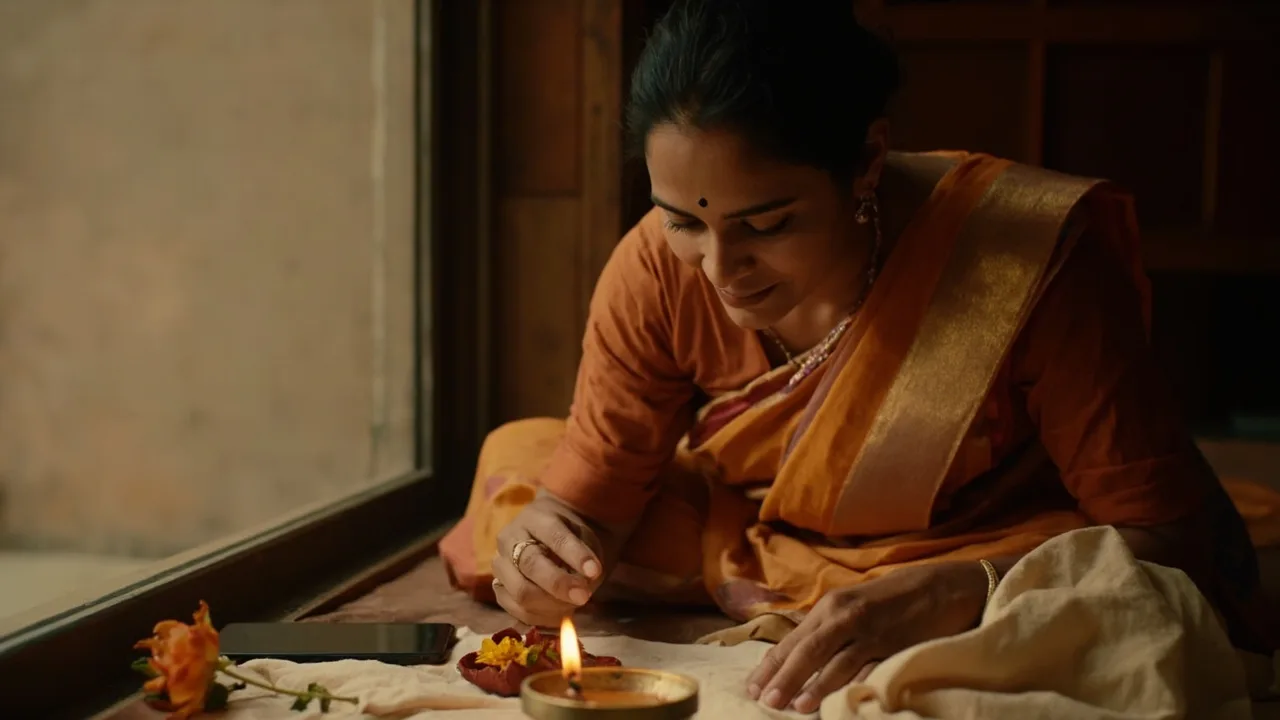


 Chart readings are calculated by the Vedika engine from the birth details you save.