 Healers World











































 ਅੱਪਡੇਟ ਕੀਤਾ
 ਤੁਰੰਤ ਜਵਾਬ
ਪਤੰਜਲੀ ਦੇ ਯੋਗ ਸੂਤਰਾਂ ਦੇ ਅੱਠ ਅੰਗਾਂ ਦੀ ਪੜਚੋਲ ਕਰੋ — ਨੈਤਿਕ ਆਚਰਣ ਤੋਂ ਲੈ ਕੇ ਸਮਾਧੀ ਤੱਕ — ਅਤੇ ਖੋਜੋ ਕਿ ਇਹ 2,000 ਸਾਲ ਪੁਰਾਣੀ ਪ੍ਰਣਾਲੀ ਮਨੁੱਖੀ ਚੇਤਨਾ ਦਾ ਸਭ ਤੋਂ ਵਿਆਪਕ ਨਕਸ਼ਾ ਕਿਵੇਂ ਬਣੀ ਹੋਈ ਹੈ।
- ਵਿਸ਼ਾ
- ਵੈਦਿਕ ਜ੍ਯੋਤਿਸ਼ਾਸਤਰ
- ਪੜ੍ਹਨ ਦਾ ਸਮਾਂ
- 12 ਮਿੰਟ
- ਲਿਖਿਆ ਦੁਆਰਾ
- ਗੁਰੂਜੀ
- ਅਖ਼ੀਂ ਅੱਪਡੇਟ ਕੀਤਾ ਗਿਆ
- 12 August 2026
Who Was Patanjali and Why Do His Sutras Still Matter?
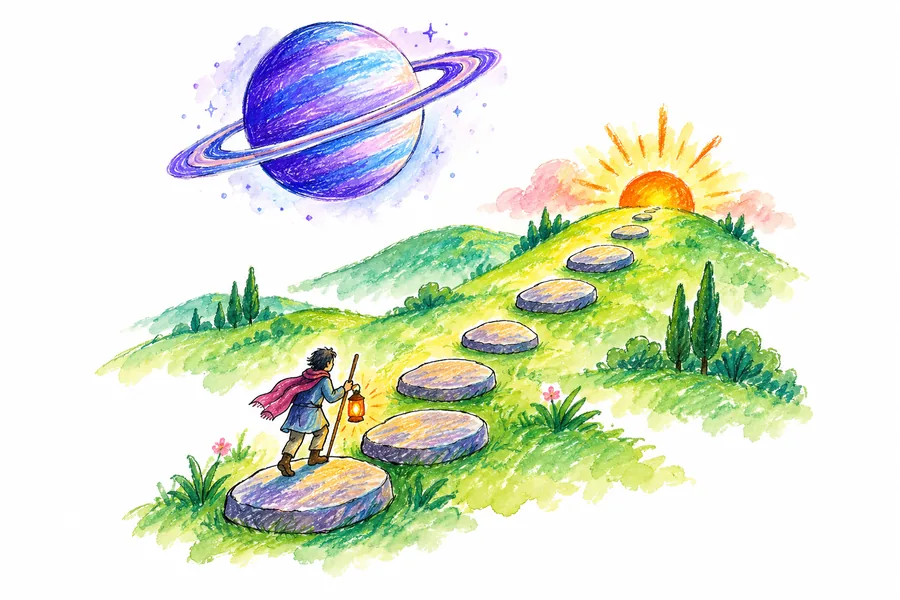
Patanjali is regarded as the compiler of the Yoga Sutras, a collection of 196 aphorisms composed roughly between 400 BCE and 400 CE that systematised the fragmented oral yoga teachings into a single coherent philosophy. He did not invent yoga — the Rigveda and the Upanishads had already spoken of inner discipline — but he gave it architecture. The Yoga Sutras are divided into four chapters: Samadhi Pada (on the nature of consciousness), Sadhana Pada (on practice), Vibhuti Pada (on powers and attainments), and Kaivalya Pada (on liberation). What makes this text extraordinary is its psychological precision. Patanjali describes the mind as a field of fluctuating thought-waves called vrittis, and the entire project of yoga is defined in the very second sutra: Yogas chitta vritti nirodhah — yoga is the cessation of the fluctuations of the mind. The eight limbs (Ashtanga, from ashta meaning eight and anga meaning limb) form a progressive path from outer behaviour to inner silence. Each limb supports the next, the way roots support a trunk, branches, and finally fruit. Understanding Patanjali is not an academic exercise. His eight limbs address every dimension of human suffering — moral confusion, physical disease, scattered attention, emotional reactivity, and spiritual ignorance — and provide practical tools for each.