 Healers World



































 হালনাগাদ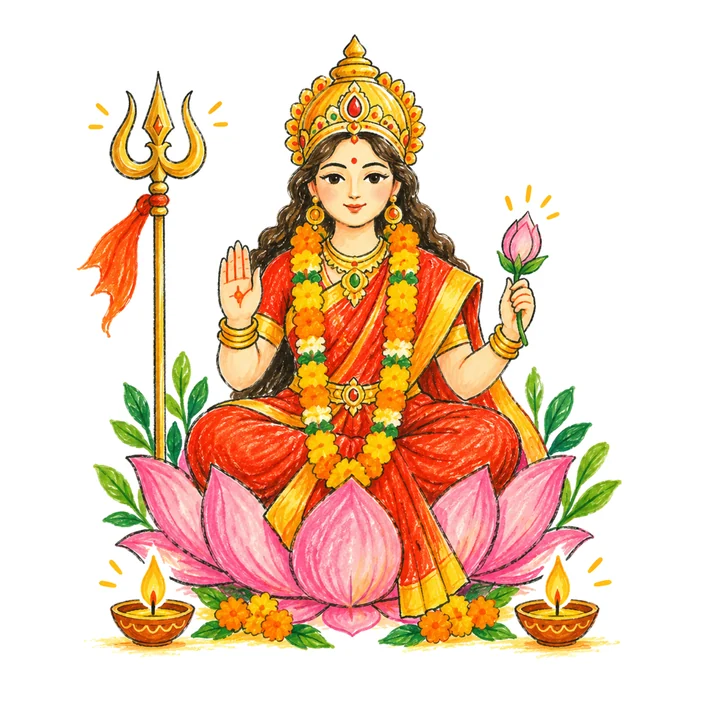
 দ্রুত উত্তর
হিন্দু পঞ্জিকার সকল পূর্ণিমার মধ্যে শারদ পূর্ণিমাকে সবচেয়ে শক্তিশালী বলে মনে করা হয় — রাত যখন চাঁদ পৃথিবীর সবচেয়ে নিকটে, লক্ষ্মী অবতরণ করে জিজ্ঞেস করেন কে জাগ্রত, এবং চাঁদের আলোয় রাখা একটি পেয়ালা খির শরীর ও আত্মার ওষুধ হয়ে ওঠে।
- বিষয়
- উৎসব
- পড়ার সময়
- 8 মিনিট
- রচনা করেছেন
- হিলার্স ওয়ার্ল্ড স্টুডিও
- সর্বশেষ হালনাগাদ
- 12 August 2026
The Myth and Story of Kojagari
The central myth of Sharad Purnima comes from the Skanda Purana and the traditions of Lakshmi worship. On this night, Goddess Lakshmi is said to descend from her celestial abode and walk the earth, peering into homes and asking the question Kah jagarti — who is awake? This is the origin of the festival's alternative name, Kojagara or Kojagari, derived from the Sanskrit ka + jagarti (who + is awake). Only those who are awake and in a state of devotional alertness receive her blessings. The divine walk of Lakshmi on this night is not arbitrary — it is the moment in the Vedic cosmic cycle when the harvest has been gathered, the monsoon rains have ended, the air is crystal clear, and the moon hangs so full and so close that it illuminates the earth with unusual brightness. In the mythology, Lakshmi is described as wearing white and carrying a pot of nectar (amrita), which she distributes to the faithful who remain awake in her honor. In some versions of the story, she is accompanied by Kubera (the god of wealth) and together they assess which households have demonstrated the spiritual qualities — gratitude, cleanliness, generosity — that create the ground for prosperity to take root. The all-night vigil (jaagran) on Kojagari is therefore understood as an act of spiritual readiness, not merely wakefulness.
 উৎসব
উৎসব