
Sacred Mantra · Goddess Lakshmi
Shri Lakshmi Mantra

Om Hreem Shreem Lakshmibhyo Namah
Deity
Goddess Lakshmi
Author
Shri Sukta (Rig Veda appendix)
Type
Bija Mantra
Syllables
9
Significance: Wealth, prosperity, abundance, good fortune
- 10languages
Traditional associations
The points below describe devotional tradition. They are not medical evidence, treatment advice or a promised outcome.
- ◆Attracts financial abundance and removes debt
- ◆Brings career and business prosperity
- ◆Invokes domestic happiness and conjugal harmony
- ◆Removes the 8 forms of poverty (Ashta-Daridra)
- ◆Enhances the chanter's personal magnetism and Aura
- ◆Effective for those experiencing Shukra (Venus) weakness in the birth chart
When to Recite
Friday evenings, Purnima (full moon), and Diwali night (Kartik Amavasya)
Repetitions: 108 times using a kamal gatta mala. A full anusthan involves 1,25,000 repetitions over 40 days
How to Chant
- 1
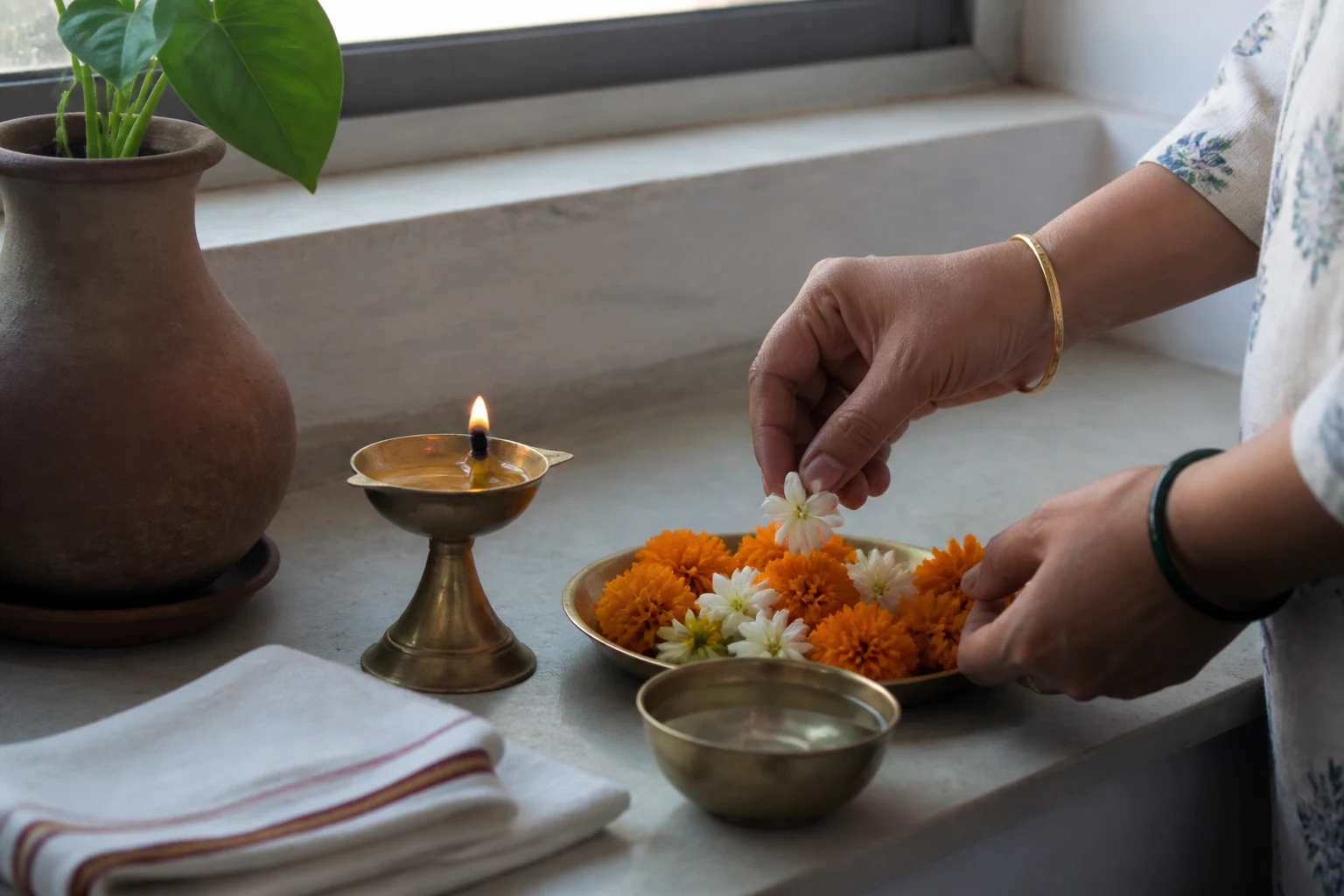
Face east or north, ideally before a Lakshmi idol or image with a lit ghee lamp
- 2
Friday evenings are particularly auspicious (Lakshmi's day)
- 3
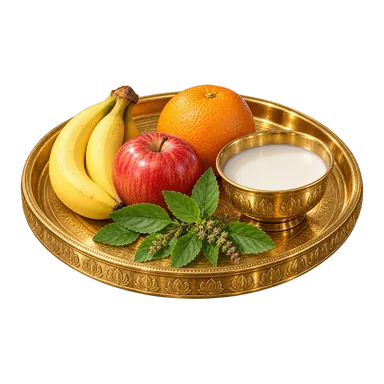
Offer lotus flowers, marigold, and tulsi to the Goddess before beginning
- 4
Use a crystal or lotus-seed (kamal gatta) mala for japa
- 5
Maintain cleanliness — wear clean clothes, bathe before the ritual
Frequently Asked Questions
Which Lakshmi mantra is most powerful?
The Shri Sukta from the Rig Veda is considered the most authoritative Lakshmi hymn. Among bija mantras, 'Om Hreem Shreem Lakshmibhyo Namah' and 'Om Shreem Mahalakshmiyei Namah' are widely considered the most effective. The Mahalakshmi Ashtakam from the Padma Purana is highly authoritative.
Can Lakshmi mantra be chanted at home?
Yes. The Lakshmi mantra is ideally chanted at home at your own puja altar. Friday evenings with a lit ghee lamp, lotus flowers, and sweets offered to the Goddess is the recommended setting. Maintaining cleanliness and purity of intent is more important than the exact setting.
More from Mantra Sangrah
Get a Personalised Mantra Recommendation
The most effective mantra depends on your birth chart, ruling planet, current dasha, and planetary strengths.
Ask an AstrologerPersonalised for you
 Chart readings are calculated by the Vedika engine from the birth details you save.