
Sacred Mantra · Lord Vishnu (Narayana, Hari, Prabhu)
Vishnu Mantra (Om Namo Narayanaya)

Om Namo Narayanaya
Deity
Lord Vishnu
Author
The Ashtakshara (8-syllable) mantra of Vishnu; appears in the Taittiriya Aranyaka of the Krishna Yajur Veda and in the Narayana Upanishad. It is the primary mantra of the Sri Vaishnava tradition initiated by Ramanujacharya in the 11th–12th century CE.
Type
Bija Mantra
Syllables
8
Significance: Protection, preservation, peace, moksha, relief from material suffering
- 10languages
Traditional associations
The points below describe devotional tradition. They are not medical evidence, treatment advice or a promised outcome.
- ◆Invokes Lord Vishnu's protective and preserving energy
- ◆Brings peace, contentment, and relief from existential suffering
- ◆Protects against negative forces and evil eye
- ◆Supports moksha (liberation) as Vishnu is the preserver who guides the soul towards its final release
- ◆Strengthens Jupiter (Guru) in the birth chart — Jupiter is Vishnu's planet
- ◆Counteracts malefic influences of Rahu and Ketu when chanted regularly
When to Recite
Ekadashi (11th lunar day); Thursday (Guru's day); sunrise
Repetitions: 108 times daily; 1,008 times on Ekadashi
How to Chant
- 1
Sit in Padmasana or Sukhasana facing north or east
- 2
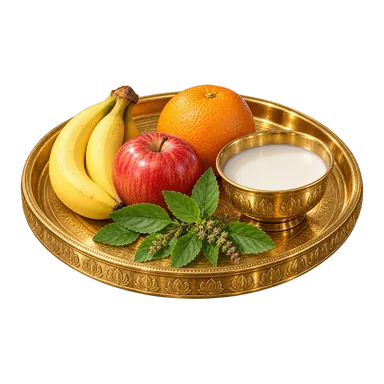
Chant on a Tulsi wood mala — Tulsi is the most sacred plant of Lord Vishnu
- 3
The mantra can be chanted aloud, as a whisper (Upanshu), or mentally
- 4
108 repetitions is the standard japa; 1,008 on Ekadashi (the 11th lunar day, sacred to Vishnu) is the elevated practice
- 5
Ekadashi (11th tithi of each fortnight) is the primary day for Vishnu mantra practice
- 6
Offering Tulsi leaves to Vishnu while chanting is the traditional accompaniment
Frequently Asked Questions
What is the difference between Om Namo Narayanaya and Om Namo Bhagavate Vasudevaya?
Both are Vishnu mantras from the Vedic tradition. 'Om Namo Narayanaya' is the Ashtakshara (8-syllable) mantra from the Taittiriya Aranyaka and is the root mantra of the Sri Vaishnava tradition. 'Om Namo Bhagavate Vasudevaya' is the Dvadasakshara (12-syllable) mantra from the Bhagavata Purana, associated specifically with Lord Krishna (Vasudeva). Both carry the same essence but have different lineage contexts.
What is Ekadashi and why is it connected to the Vishnu mantra?
Ekadashi is the 11th day of each lunar fortnight — there are 24 Ekadashis in a year. It is the most sacred day to Lord Vishnu in the Hindu calendar. Devotees fast on Ekadashi, avoid grains, and spend the day in Vishnu worship and mantra recitation. The 'Om Namo Narayanaya' mantra is considered most potent when chanted on Ekadashi. The Padma Purana lists 24 Ekadashis by name, each with specific significance.
More from Mantra Sangrah
Get a Personalised Mantra Recommendation
The most effective mantra depends on your birth chart, ruling planet, current dasha, and planetary strengths.
Ask an AstrologerPersonalised for you
 Chart readings are calculated by the Vedika engine from the birth details you save.