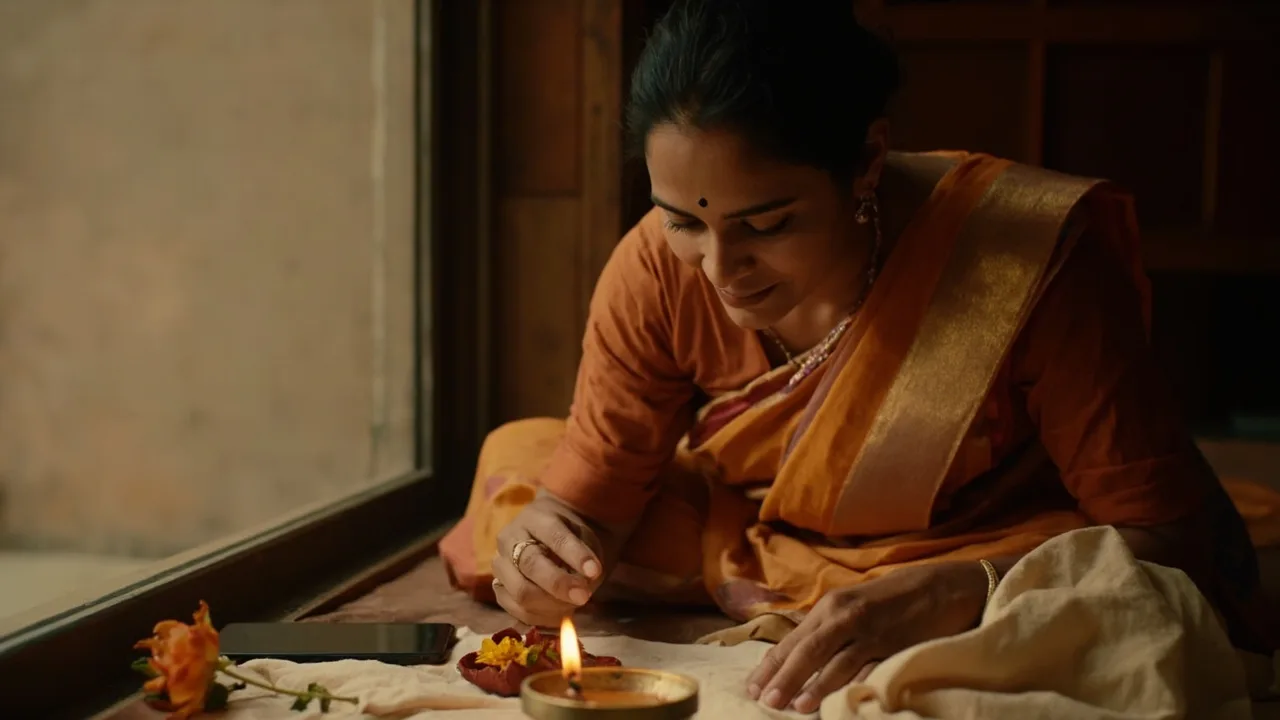

Sacred Mantra · Lord Shiva (Tryambakeshwara — the three-eyed one)
Mahamrityunjaya Mantra

Om Tryambakam Yajamahe
Om Tryambakam Yajamahe | Sugandhim Pushti-Vardhanam | Urvarukamiva Bandhanan | Mrityor Mukshiya Maamritat
Deity
Lord Shiva
Author
Rig Veda (7.59.12)
Type
Vedic Mantra
Syllables
32
Significance: Health, healing, longevity, protection from untimely death
- 10languages
Traditional associations
The points below describe devotional tradition. They are not medical evidence, treatment advice or a promised outcome.
- ◆Heals chronic and acute illnesses
- ◆Protects from untimely or accidental death
- ◆Removes fear of death and brings peace of mind
- ◆Regenerates vital energy and prana
- ◆Provides protection during Sade Sati and Rahu-Ketu transits
- ◆Used in Rudra abhishek and last rites for the departed soul's liberation
When to Recite
Early morning (Brahma Muhurta), Monday (Shiva's day), Pradosh (13th lunar day twilight)
Repetitions: 108 times minimum; 11,000 repetitions constitute a full Mahamrityunjaya japa anusthan
How to Chant
- 1
Sit facing North or East on a clean mat or cloth
- 2
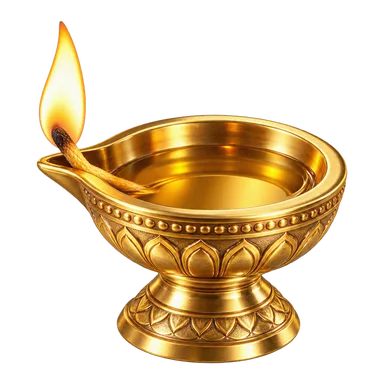
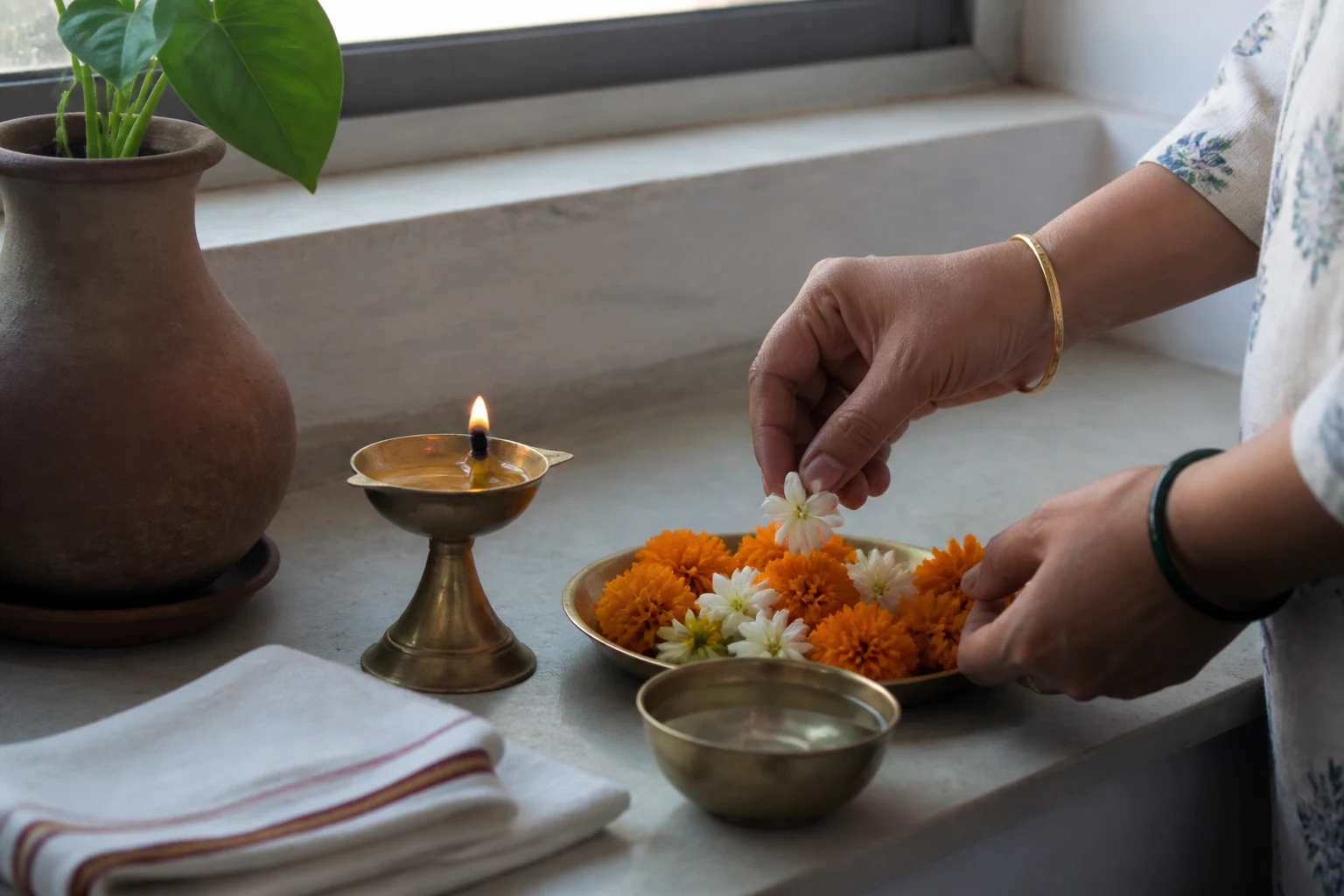
Light a ghee lamp and incense
- 3
Hold a Rudraksha mala — particularly a 5-faced (Panchmukhi) rudraksha
- 4
Chant with full awareness on the meaning — especially the phrase 'Mrityor Mukshiya' (liberate me from death)
- 5
The mantra is especially powerful when chanted near a Shiva Linga or while offering water on a Shivalinga
Frequently Asked Questions
What does the Mahamrityunjaya Mantra mean?
The mantra is addressed to Tryambakeshwara (three-eyed Shiva) and means: 'We worship the three-eyed one who is fragrant and nourishes all. As a cucumber is released from its vine when ripe, may we be liberated from the bondage of death and not from immortality.' The core prayer is for liberation from untimely death while remaining in life.
When should Mahamrityunjaya Mantra be chanted?
During illness or recovery, on Mondays, during Pradosh Kaal (evening of Ekadashi+2), during Shiva Ratri, during Sade Sati, and when facing fear of death or surgical procedures. It is also chanted over a patient who is critically ill, with the belief that Shiva's grace can reverse the timing of death.
More from Mantra Sangrah
Get a Personalised Mantra Recommendation
The most effective mantra depends on your birth chart, ruling planet, current dasha, and planetary strengths.
Ask an AstrologerPersonalised for you


 Chart readings are calculated by the Vedika engine from the birth details you save.