 Healers World










































 Shiva
Shiva Pan-India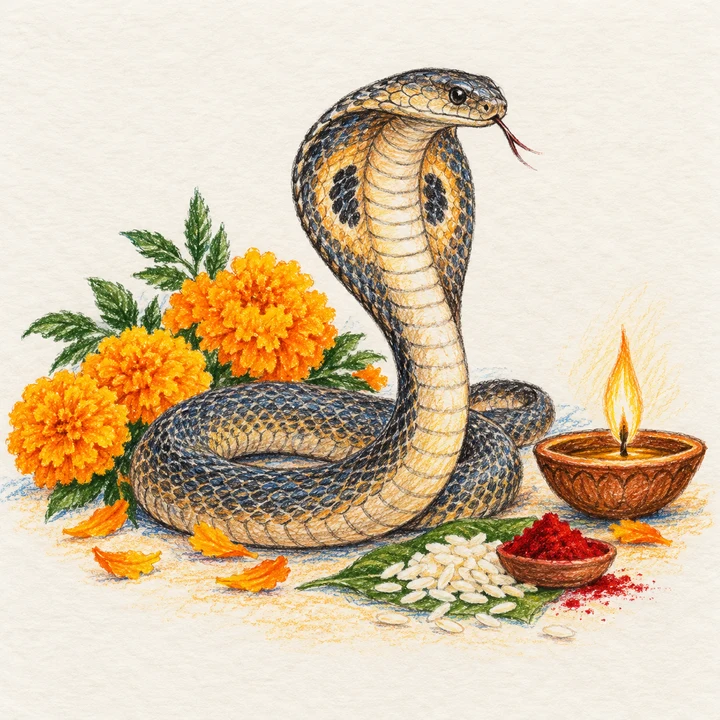
What does Nag Panchami mean for your practice?
Nag Panchami is a festival devoted to the worship of serpents (nagas), revered in Hindu tradition as powerful, sacred beings associated with fertility, protection and the divine. Falling in the monsoon month of Shravana, when snakes are more active, it seeks the nagas' blessings and protection from snakebite, honouring their place in cosmology and their bond with deities like Shiva and Vishnu.
Which story is remembered?
Serpents hold a revered place in Hindu lore: Vishnu rests on the cosmic serpent Shesha (Ananta), Shiva wears the serpent Vasuki around his neck, and Vasuki served as the churning-rope at the Samudra Manthan. A well-known legend connects the day to Krishna, who, as a boy, subdued the venomous multi-hooded serpent Kaliya that had poisoned the Yamuna, dancing upon its hoods and then sparing it on the condition that it leave — celebrated as a triumph and a reconciliation with the serpent world.
Puja vidhi for Nag Panchami
Offering milk, water and flowers to snake idols, images or live snakes
Worshipping at snake temples and anthills (believed to be serpent abodes)
Drawing images of nagas on walls or doorways with turmeric and vermilion
Observing fasts and abstaining from digging the earth or frying on this day
Offering prayers for protection from snakebite and for family wellbeing
Reciting naga stotras and worshipping deities like Shesha and Vasuki
Offerings and festive foods
What families prepare and offer on Nag Panchami.
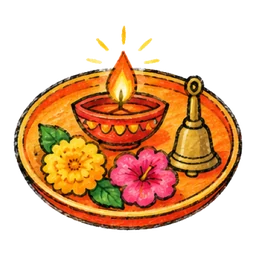 Milk offered to the images of the Nagas or at an anthill
 Flowers, turmeric, rice and kumkum
 Kheer, sweet puri and boiled chana
 Images of the Nagas drawn on the wall in sandal or turmeric
 Prayers for protection of the family and the fields
Mantras to chant
Chant with a clear sankalp, facing east or north, on a mala if you keep one.
Names and customs across India
Nag Panchami is observed across India with regional customs: in Maharashtra (notably Battis Shirala) and the West it is prominent, in the South snake-stone (nagakal) worship and anthill offerings are common, and in the North and East it falls during the Shravana season of Shiva worship. The practice of offering milk to snakes is widespread, though increasingly substituted with symbolic offerings for animal welfare.
Which classical sources guide the practice?
This occurrence follows the date record's stated confidence. For formal worship, confirm the local panchang and temple's announced schedule; a Gregorian date alone does not settle the city-specific ritual window.
Nag Panchami · 2026