 Healers World





































 East India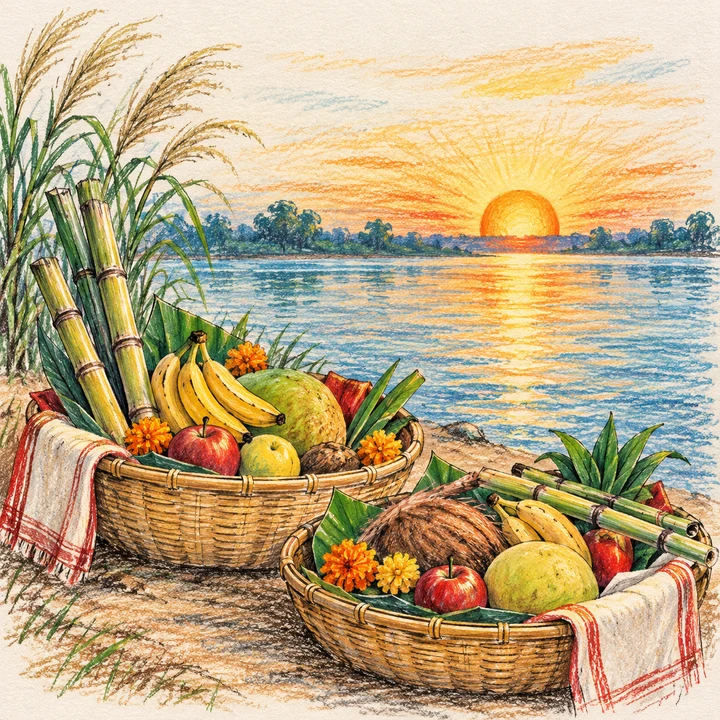
What does Chhath Puja mean for your practice?
Chhath Puja is an ancient festival of thanksgiving and prayer to the Sun god Surya and his sister Chhathi Maiya, seeking wellbeing, prosperity and the welfare of family and children. Renowned for its rigorous discipline, it is one of the few festivals where the setting Sun is worshipped before the rising Sun, expressing reverence for the Sun's life-giving and dissolving powers.
Which story is remembered?
Chhath worship of the Sun is rooted in deep antiquity, with references linking it to the Vedas and the Sun-worshipping traditions of figures like Karna, the son of Surya in the Mahabharata, and to Draupadi and the Pandavas, who are said to have performed Chhath to regain their fortunes. Chhathi Maiya, worshipped alongside Surya, is identified with the goddess of childbirth and protector of children, and the festival is observed for the longevity and prosperity of one's offspring and household.
Puja vidhi for Chhath Puja
Nahay Khay (day 1): ritual bathing and a sattvic meal to begin purification
Kharna (day 2): a day-long fast broken at dusk with kheer and offerings
Observing a strict nirjala (waterless) fast by the vratis (devotees)
Sandhya Arghya (day 3): offering arghya to the setting Sun standing in a river or pond
Usha Arghya (day 4): offering arghya to the rising Sun to conclude the fast
Preparing thekua and seasonal fruits in bamboo soop baskets as offerings
Offerings and festive foods
What families prepare and offer on Chhath Puja.
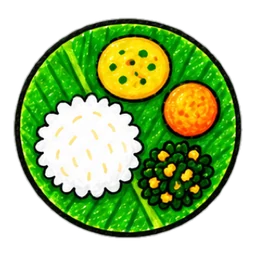
 Thekua, the wheat and jaggery sweet of Chhath
 Sugarcane, bananas, coconut and seasonal citrus in the soop basket
 Rasiya, a jaggery kheer, with roti on the evening of Kharna
 Arghya of water and milk to the setting and the rising Sun
 Rice laddoos and fresh fruit as prasad
Mantras to chant
Chant with a clear sankalp, facing east or north, on a mala if you keep one.
Names and customs across India
Chhath Puja is most prominent in Bihar, Jharkhand, eastern Uttar Pradesh and the Mithila region, and in Nepal's Terai, and has spread with migrants to cities across India and abroad. Riverbanks and ponds (ghats) become focal points of communal worship. A spring version, Chaiti Chhath, is also observed in the month of Chaitra, but the Kartik Chhath is the major celebration.
Which classical sources guide the practice?
This occurrence follows the date record's stated confidence. For formal worship, confirm the local panchang and temple's announced schedule; a Gregorian date alone does not settle the city-specific ritual window.
Chhath Puja · 2027