 Healers World
























 Vishnu, Rama and Krishna
 Pan-India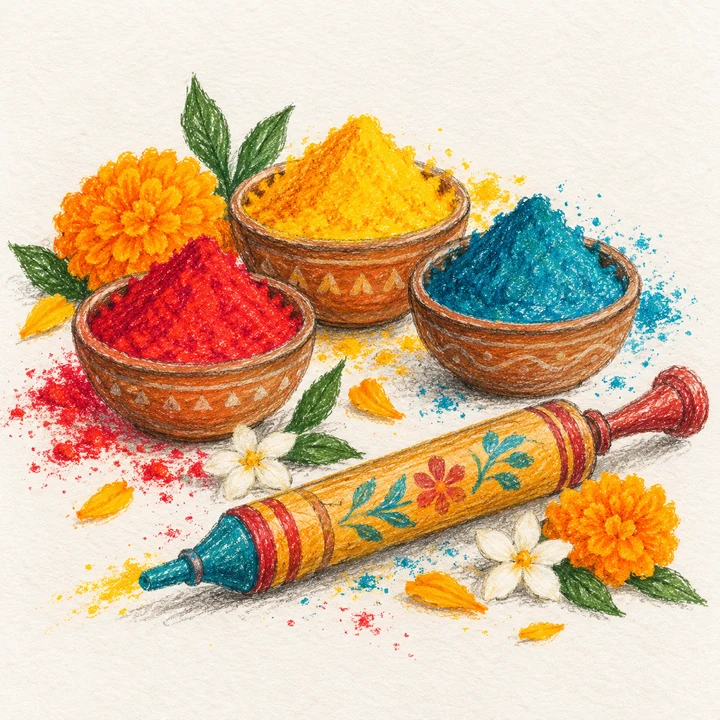
What does Holi mean for your practice?
Holi is the joyous festival of colours that celebrates the arrival of spring, the triumph of devotion and good over evil, and the playful, loving bond between Radha and Krishna. It dissolves social barriers as people of all ages and backgrounds smear one another with colour, marking renewal, forgiveness and the victory of faith.
Which story is remembered?
Holi's central legend is that of Prahlada, the devoted young son of the demon-king Hiranyakashipu, who tried to kill him for worshipping Vishnu. His sister Holika, granted immunity to fire, sat in a blaze with Prahlada on her lap to burn him; instead Holika perished and the faithful Prahlada emerged unharmed — commemorated by the Holika Dahan bonfire. The colour-play tradition is linked to Krishna, who, self-conscious about his dark complexion, playfully coloured Radha's face, beginning the custom of smearing colours.
Puja vidhi for Holi
Lighting the Holika Dahan bonfire on the full-moon night to burn away evil
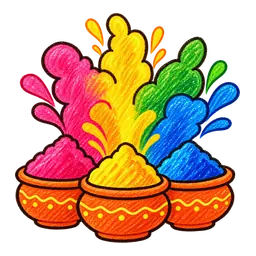
Playing with dry coloured powder (gulal) and coloured water
Singing, dancing and drumming in the streets and at temples
Sharing festive sweets and drinks such as gujiya and thandai
Visiting friends and family to smear colour and exchange greetings
Special Radha-Krishna devotional celebrations in Braj (Mathura, Vrindavan, Barsana)
Offerings and festive foods
What families prepare and offer on Holi.
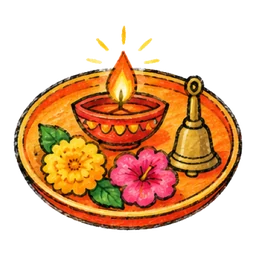 Gujiya, the sweet dumpling of Holi, filled with khoya and dry fruit
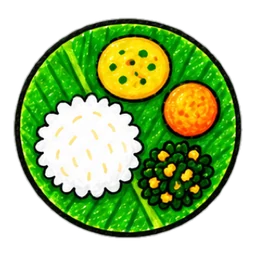 Thandai of almonds, fennel and rose, offered first to Krishna
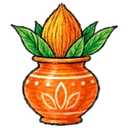 Wheat ears, coconut, raw mango and grains offered into the Holika fire
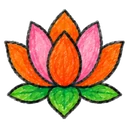 Gulal and flower colours, played after the bonfire with blessings for the year
 Puran poli in western homes and malpua in the east
Mantras to chant
Chant with a clear sankalp, facing east or north, on a mala if you keep one.
Names and customs across India
Holi takes distinctive regional forms: the Lathmar Holi of Barsana and Nandgaon in the Braj region, the week-long temple festivities of Mathura and Vrindavan, Dol Jatra or Dol Purnima in Bengal and Odisha (where Krishna's idol is carried on a swing), Shigmo in Goa, and Phagwah among Indo-diaspora communities. The Holika Dahan bonfire on the eve is common across the North.
Which classical sources guide the practice?
This occurrence follows the date record's stated confidence. For formal worship, confirm the local panchang and temple's announced schedule; a Gregorian date alone does not settle the city-specific ritual window.
Holi · 2026