






























Preparing your page…
Healers World
Preparing your page…Preparing your page…Preparing your page…
Healers WorldTemple WorldPooja WorldVaastu WorldRare You
Rahu Kaal in Erode on 23 November 2026 is 07:45 to 09:11. It is one-eighth of daylight, traditionally avoided for new beginnings.
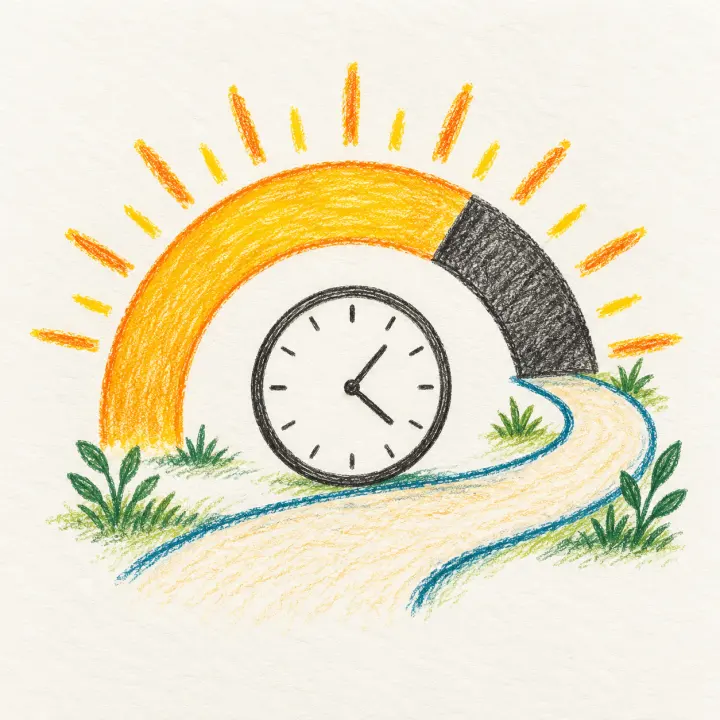

 How the day runs 23 November 2026 · sunrise to sunsetGood and hard hours
Keep new beginnings outside this window when possible; continue your daily duties with steadiness.
Traditionally set aside when selecting a fresh beginning.
Allow important new journeys and undertakings to begin outside this window.
A midday window traditionally considered for auspicious beginnings; read it with the full day.
A quiet hour before dawn for japa, study and inward attention.
 The five limbs of the Panchang
 TithiChaturdashi · Shukla
The lunar day, measured by each 12° of separation between the Sun and Moon.
 NakshatraBharani
The Moon’s place among the 27 lunar mansions; read its nature alongside your purpose.
 YogaVariyan
One of 27 combinations formed from the Sun’s and Moon’s sidereal longitudes.
KaranaGarajaHalf a tithi, traditionally read when choosing the character of a task.
WeekdayMondayThe weekday’s planetary lord offers a rhythm for prayer and everyday work.
Lunar monthMargashirshaThe lunar month places the day within the season of vrats and festivals.
Sunrise06:18sunrise to sunset
Sunset17:52sunset to the next sunrise
Computed for Erode’s own sunrise and sunset. All times are local.
Local sunrise changes the exact windows. Choose another city for its own reading.

Daylight, from sunrise to sunset, is divided into eight equal parts. Each weekday gives one of them to Rahu: the second part on Monday, the third on Saturday, the fourth on Friday, the fifth on Wednesday, the sixth on Thursday, the seventh on Tuesday and the eighth on Sunday.

Gulika Kaal and Yamaganda are found the same way, each in its own part of the day. Many almanacs mark all three, and families keep new beginnings away from them.
Daily prayer, work already under way and routine duties go on as usual. What tradition asks is that you do not begin something new in this window: a journey, a purchase, a ceremony or an agreement.

One of 100 Indian cities, each with its own sunrise.
The start and end of Rahu Kaal, in local time.
Gulika and Yamaganda, and the good hours of Abhijit and Brahma Muhurta.

Move a new beginning to a good window before or after it.
What it is, how long it lasts, and what tradition asks.

Rahu Kaal is a period of about 90 minutes each day, one-eighth of daylight, associated with Rahu. Hindu tradition advises against beginning new work, travel or ceremonies during it.
It depends on your city and the weekday. Open your city on this page for today’s exact start and end, computed from local sunrise and sunset.
Its part of the day changes with the weekday, and the length of daylight changes through the year. Both are measured from your city’s sunrise, so the clock time moves a little every day.
The Rahu Kaal most families follow is the daytime one, counted from sunrise to sunset. Some almanacs also give a night period; this page shows the daytime window.
Yes. Prayer and worship go on as usual. Many devotees light a lamp to Durga during Rahu Kaal on Tuesdays and Fridays.
All three are one-eighth of daylight, each in its own part of the day. Rahu Kaal is the most widely followed; many almanacs also mark Gulika Kaal and Yamaganda as times to keep new starts away from.

A cited report reads one area of your life from your exact birth chart. Membership adds more Vaani questions and deeper chart guidance each month.
Rahu Kaal is the same for everyone in a city. Your kundli shows the periods that belong to you. Making it is free.