 Healers World









































 Pan-India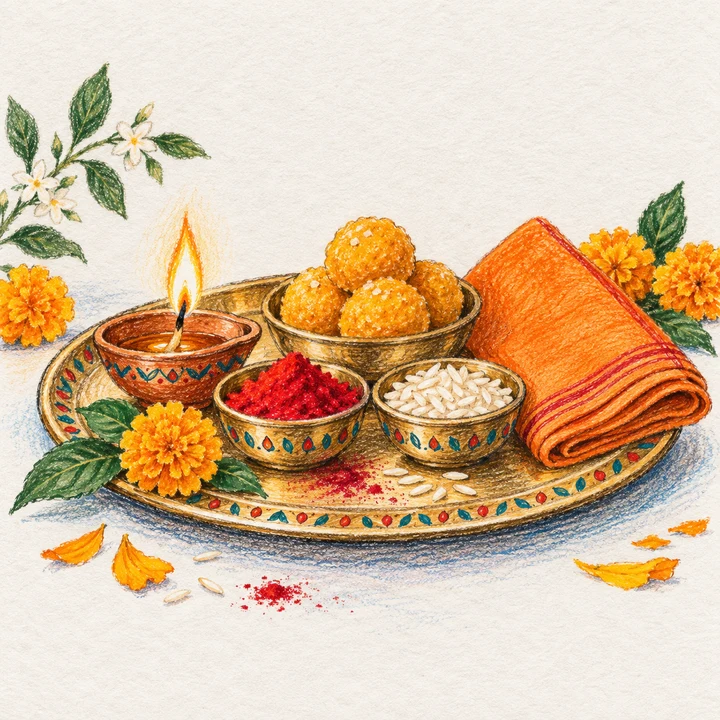
What does Bhai Dooj mean for your practice?
Bhai Dooj celebrates the bond between brothers and sisters, concluding the five-day Diwali festival. Sisters apply a tilak on their brothers' foreheads and pray for their long life and prosperity, while brothers offer gifts and protection — a counterpart to Raksha Bandhan, affirming sibling affection and mutual care.
Which story is remembered?
By legend, Yama, the god of death, visited his sister Yamuna (Yami) on this day after a long separation. She welcomed him warmly, applied a tilak on his forehead, fed him lovingly and prayed for his wellbeing. Touched, Yama declared that any brother who receives a tilak and is honoured by his sister on this day would be blessed with long life and freed from fear of death — establishing Bhai Dooj, also called Yama Dwitiya.
Puja vidhi for Bhai Dooj
Sisters applying a ceremonial tilak on their brothers' foreheads
Performing aarti and praying for the brother's long life and prosperity
Brothers giving gifts to their sisters in return
Sharing a special festive meal prepared by the sister
Exchanging sweets and family gatherings
In Maharashtra, sisters drawing a square (chowk) for the brother to sit on during the ritual
Offerings and festive foods
What families prepare and offer on Bhai Dooj.
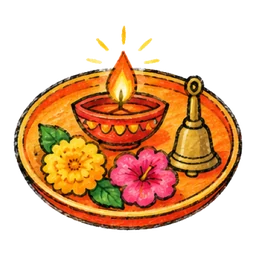 A tilak of roli and rice on the brother's forehead
 A meal cooked by the sister for her brother
 Sweets and a dry coconut in the puja thali
 Gifts exchanged between brother and sister
 Prayers for the brother's long life, after Yamuna who welcomed Yama
Mantras to chant
Chant with a clear sankalp, facing east or north, on a mala if you keep one.
Names and customs across India
Bhai Dooj is celebrated across India under different names: Bhai Beej or Bhau Beej in the West (Maharashtra, Gujarat), Bhai Phonta in Bengal (with an elaborate tilak ceremony and feast), Bhratri Dwitiya in the East, and Bhai Tika in Nepal (one of the most important days of Tihar). All share the central ritual of a sister honouring her brother for his long life.
Which classical sources guide the practice?
This occurrence follows the date record's stated confidence. For formal worship, confirm the local panchang and temple's announced schedule; a Gregorian date alone does not settle the city-specific ritual window.
Bhai Dooj · 2027