 Healers World









































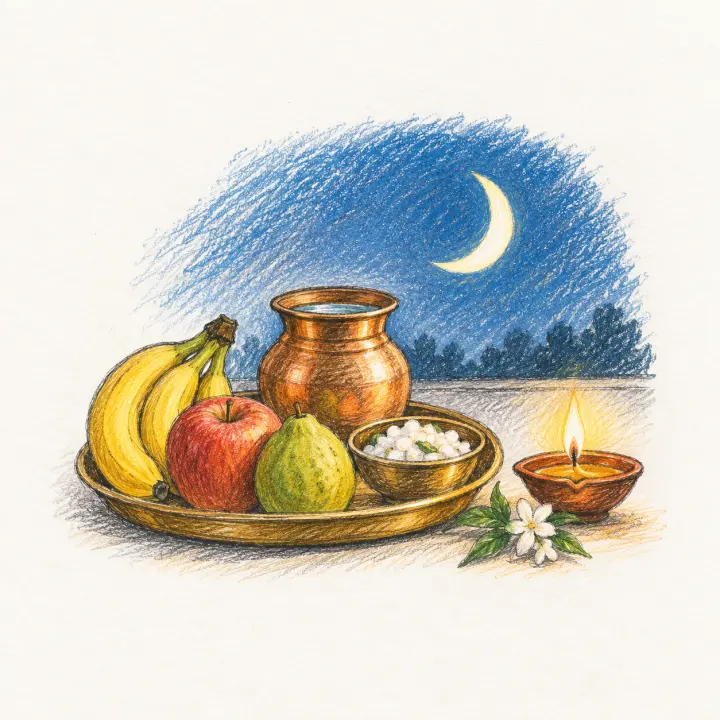
The devotional answer
What does Vrat and fasting mean for your practice?
A vrat is a devotional vow that brings prayer, self-discipline and an observance such as fasting together. Its timing follows the lunar tithi and the household or sampradaya tradition, not a fixed Gregorian date. Choose an observance below to understand its katha, worship and closing practice, while keeping your health and capacity central.
Which vrat will you observe?

Ekadashi Vrat
Twice every month, year-round · Recurring / Fortnightly
Pradosh Vrat
Twice every month, year-round · Recurring / Fortnightly
Sankashti Chaturthi
Once every month, year-round · Recurring / Monthly
Vat Savitri Vrat
May–June · Annual
Hartalika Teej
August–September · Annual
Solah Somvar Vrat
A sixteen-week span, most commonly begun in Shravan (July–August) · Recurring / Extended
Sawan Somvar
July–August · Recurring / Seasonal
Ahoi Ashtami
October–November · Annual